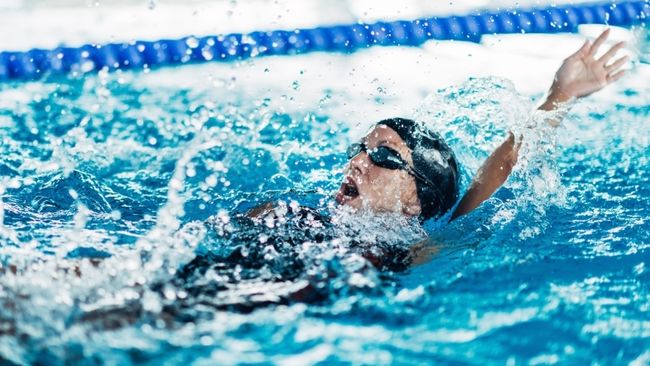
Swimming professionally is a lifestyle defined by dedication, structure, and mental resilience. Beyond the physical training, pro swimmers cultivate focus, consistency, and emotional balance that enable them to perform at their best under pressure. These lessons extend far beyond the pool, offering guidance for anyone navigating the challenges of addiction recovery, mental health treatment, or personal growth. By examining the routines and strategies of professional swimmers, we can uncover practical insights that support focus, routine, and emotional well-being in everyday life.
Focus: Sharpening the Mind for Success
Professional swimmers train not only their bodies but their minds. Each lap requires concentration, awareness, and precision. This mental discipline helps athletes remain present and adapt to challenges in real time. In recovery and mental health care, developing focus is equally important. Emotional triggers, cravings, and stressful situations demand the ability to stay grounded and respond intentionally.
Techniques to Enhance Mental Focus
Swimmers often use visualization, goal setting, and mindfulness to enhance performance. Visualizing a successful swim, breaking down strokes, and focusing on small improvements help maintain concentration. In recovery, similar practices—such as guided visualization of a healthier lifestyle, setting achievable wellness goals, and daily mindfulness exercises—can strengthen mental resilience and improve decision-making during challenging moments.
Routine: Building Stability and Consistency
Consistency is the cornerstone of professional swimming. Swimmers follow structured schedules that include training, rest, nutrition, and recovery. This consistency not only improves performance but also fosters discipline and self-accountability. Individuals in recovery benefit from the same principle. Establishing daily routines that include therapy, support groups, self-care, and reflection builds stability and reinforces positive habits.
Implementing Healthy Daily Routines
A structured routine in recovery provides a sense of purpose and predictability. Simple practices, such as journaling emotions, scheduling exercise, attending counseling, or participating in support networks, create a framework for growth. Over time, these daily actions strengthen resilience, reduce stress, and encourage steady progress toward long-term wellness.
Emotional Well-Being: Balancing the Mind and Body
Swimming at a professional level requires emotional regulation. Athletes must cope with setbacks, fatigue, and the pressure of competition. Similarly, individuals in recovery face emotional challenges and moments of vulnerability. Developing emotional awareness and self-compassion is essential for maintaining mental health and sustaining recovery.
Holistic Approaches to Emotional Wellness
Professional swimmers rely on support systems, including coaches, teammates, and mentors, to maintain motivation and perspective. In recovery, holistic and individualized care—combining counseling, faith-based guidance, and wellness practices—provides comprehensive support. Engaging with supportive communities and prioritizing self-care strengthens emotional resilience and fosters a balanced, healthy mindset.
Applying Swimming Lessons to Everyday Life
The discipline, focus, and emotional awareness cultivated by swimmers offer practical guidance for daily living. By embracing structured routines, practicing mindfulness, and seeking supportive networks, individuals can navigate challenges with greater clarity and resilience. These lessons translate into healthier decision-making, improved mental health, and sustainable recovery.
Conclusion: Taking the First Step Toward Wellness
The life of a professional swimmer demonstrates that focus, routine, and emotional well-being are cultivated through consistent practice, self-awareness, and support. These same principles can guide anyone seeking addiction recovery, mental health care, or personal growth. Reaching out for professional, compassionate support is the first step toward lasting wellness. By applying the lessons of discipline and balance from the pool, you can transform daily effort into meaningful progress, resilience, and a healthier, more fulfilling life.