More Than Fast Laps: The Life Lessons Professional Swimmers Share About Healing and Personal Growth

When most people think about professional swimmers, they picture lightning fast races, Olympic medals, and record breaking performances. Yet the greatest achievements of elite swimmers often happen long before they step onto the starting block. Behind every successful athlete is a lifestyle built on discipline, resilience, patience, and a commitment to continuous growth. These same qualities are essential for anyone working toward better mental health or overcoming addiction.

Recovery is not simply about leaving unhealthy habits behind. It is about building a healthier life with purpose, stability, and hope. Whether an individual begins healing through inpatient treatment, outpatient care, or a holistic and faith based recovery program, lasting change comes from developing the right mindset and embracing healthy daily habits. The life lessons of professional swimmers offer powerful reminders that meaningful transformation happens one day, and one choice, at a time.

Success Begins With Consistent Daily Habits

Professional swimmers spend countless hours training long before they see results. They understand that improvement comes through consistency rather than occasional bursts of effort. Every workout, nutritious meal, recovery session, and good night’s sleep contributes to long term success.

The same principle applies to addiction recovery and mental health treatment. Healing is strengthened by daily routines that create structure and encourage healthier choices.

Healthy Habits Build a Strong Foundation

Many recovery programs encourage routines that include:

  • Individual counseling sessions
  • Group therapy and peer support
  • Regular physical activity
  • Healthy nutrition
  • Quality sleep
  • Mindfulness and relaxation practices
  • Time for personal reflection

Although these habits may seem simple, they create the stability needed for emotional healing and long term wellness.

Resilience Is Developed Through Challenges

Every professional swimmer experiences setbacks. Injuries, disappointing performances, and difficult training sessions are unavoidable. What separates successful athletes is their ability to learn from adversity instead of allowing it to define them.

Recovery also involves challenges. Individuals may face emotional triggers, difficult memories, or moments of uncertainty. Developing resilience allows them to continue moving forward with confidence and determination.

Every Obstacle Becomes an Opportunity to Grow

Resilience develops through healthy practices such as:

  • Accepting setbacks without giving up
  • Learning healthier coping skills
  • Asking for help when needed
  • Remaining committed to long term goals
  • Practicing patience throughout the healing journey

Each challenge overcome strengthens emotional confidence and reinforces lasting recovery.

Mental Strength Is More Important Than Many People Realize

Swimming at the highest level demands intense mental focus. Athletes must manage pressure, control self doubt, and maintain confidence during both success and disappointment.

Mental health treatment helps individuals develop these same emotional skills. Learning to manage anxiety, depression, trauma, and overwhelming emotions creates a stronger foundation for lifelong healing.

Emotional Wellness Supports Every Area of Life

Improving mental health can help individuals:

  • Make healthier decisions
  • Improve communication
  • Build stronger relationships
  • Increase self confidence
  • Respond to stress more effectively

As emotional wellness improves, maintaining recovery often becomes more manageable.

Personal Growth Requires Patience

Professional swimmers know that meaningful progress cannot be rushed. Years of consistent training are often required before reaching elite levels of competition.

Recovery follows a similar path. Lasting healing is built through steady progress rather than quick solutions.

Celebrate Small Victories

Personal growth often appears through small but meaningful milestones, including:

  • Attending every therapy session
  • Rebuilding family relationships
  • Managing stress without substances
  • Developing healthier daily routines
  • Feeling hopeful about the future

Recognizing these accomplishments provides encouragement to continue moving forward.

Healing Is Stronger With the Right Support System

Even the world’s best swimmers depend on coaches, trainers, teammates, and medical professionals. Success is rarely achieved alone.

Likewise, recovery is strengthened through compassionate relationships and professional guidance. Individuals often experience greater success when they are surrounded by people who genuinely care about their well being.

Individualized Treatment Creates Better Outcomes

Effective addiction recovery recognizes that every individual has unique experiences and goals. Personalized care may include:

  • Individual therapy
  • Group counseling
  • Family therapy
  • Trauma informed treatment
  • Holistic wellness services
  • Faith based counseling for those seeking spiritual guidance
  • Relapse prevention planning

This comprehensive approach addresses the emotional, physical, mental, and spiritual aspects of healing.

Holistic Healing Supports Lasting Recovery

Professional swimmers understand that peak performance requires caring for the entire body and mind. Training alone is not enough. Recovery, nutrition, sleep, and emotional health all play important roles.

Holistic addiction recovery embraces this same philosophy by treating the whole person rather than focusing only on symptoms.

Caring for the Whole Person

Holistic approaches may include:

  • Mindfulness exercises
  • Meditation
  • Recreational therapy
  • Physical wellness activities
  • Nutritional guidance
  • Spiritual support
  • Stress management techniques

When these services are combined with evidence based treatment, individuals often develop stronger coping skills and greater emotional balance.

Every Day Is a New Opportunity

One of the greatest lessons professional swimmers teach is that growth happens through repetition. Every practice creates an opportunity to improve, even when immediate results are not visible.

Recovery is built the same way. Every healthy decision strengthens resilience, improves confidence, and moves individuals closer to lasting wellness.

Rather than focusing on perfection, recovery encourages consistent effort and self compassion. Over time, these daily choices create meaningful and lasting change.

Conclusion

Professional swimmers demonstrate that true success extends far beyond winning races. Their discipline, perseverance, emotional resilience, and commitment to personal growth provide valuable lessons for anyone pursuing addiction recovery or improved mental health.

Healing is a lifelong journey that requires courage, patience, and compassionate support. Through individualized treatment, inpatient or outpatient care, holistic therapies, and faith based guidance when desired, individuals can develop the skills needed to overcome challenges and build a healthier future.

If you or someone you love is struggling with addiction or mental health concerns, reaching out for professional help is a powerful first step. Like every lap completed in the pool, every positive decision made today brings you closer to lasting recovery, emotional wellness, and a life filled with renewed purpose and hope.

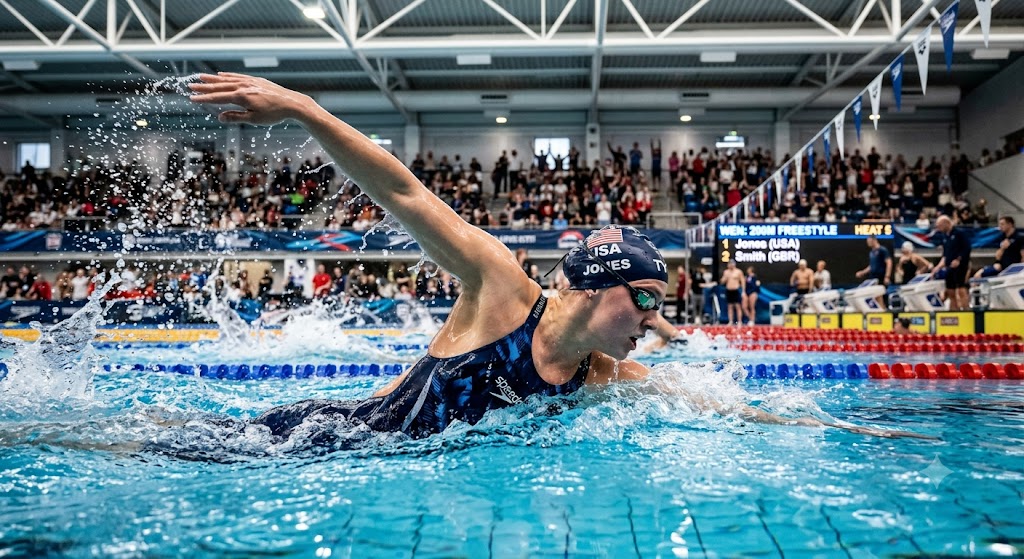
Swimming at the Highest Level: Why Resilience and Routine Matter for Mental Health and Recovery

Elite swimming is often associated with remarkable physical ability, but those who compete at the highest level know that success begins in the mind. Every early morning practice, every demanding workout, and every challenging competition requires resilience, discipline, and an unwavering commitment to healthy routines. While these qualities help athletes perform at their best, they also offer valuable lessons for anyone working toward improved mental health and lasting recovery from addiction.

Recovery is not defined by a single decision or one successful day. It is a process of building healthy habits, developing emotional resilience, and learning to move forward through life’s challenges with confidence and support. Whether someone is receiving inpatient treatment, participating in an outpatient program, or pursuing a holistic and faith based path to healing, the mindset of a professional swimmer demonstrates how consistent effort can lead to lasting transformation.

Resilience Helps People Move Forward Through Challenges

Professional swimmers encounter setbacks throughout their careers. Injuries, disappointing races, and demanding training schedules test both their physical and emotional strength. What allows them to continue improving is not perfection but resilience.

The same principle applies to addiction recovery and mental health treatment. Difficult moments are a natural part of healing. Learning how to respond to those moments in healthy ways creates long term success.

What Resilience Looks Like During Recovery

Resilience is developed through daily choices such as:

  • Continuing therapy during difficult seasons
  • Learning from setbacks without giving up
  • Practicing healthy coping skills
  • Accepting support from trusted professionals and loved ones
  • Remaining focused on long term goals

Every challenge overcome strengthens confidence and reinforces the belief that healing is possible.

Healthy Routines Create Stability

Professional swimmers rely on carefully planned routines. Their schedules include training, nutrition, recovery, sleep, and mental preparation. These habits provide stability and allow steady improvement over time.

Recovery also thrives on consistency. Establishing a healthy routine reduces uncertainty and helps individuals replace destructive habits with positive behaviors.

Daily Habits That Support Wellness

Many recovery programs encourage routines that include:

  • Individual counseling
  • Group therapy
  • Physical activity
  • Nutritious meals
  • Healthy sleep schedules
  • Mindfulness or meditation
  • Personal reflection and journaling

These simple but meaningful habits provide a strong foundation for emotional and physical well being.

Mental Health Is Just as Important as Physical Health

Professional swimmers understand that physical training alone cannot guarantee success. Managing stress, maintaining confidence, and staying emotionally balanced are equally important.

Mental health treatment addresses these same needs by helping individuals understand their thoughts, emotions, and behaviors while developing healthier ways to respond to life’s challenges.

Strengthening Emotional Wellness

Effective treatment helps individuals:

  • Recognize emotional triggers
  • Improve communication skills
  • Build self awareness
  • Develop healthy stress management techniques
  • Increase emotional resilience

As emotional wellness improves, individuals often find it easier to remain engaged in their recovery journey.

Recovery Requires Patience and Commitment

Professional swimmers rarely achieve success overnight. Years of consistent practice are required before reaching elite levels of competition. Every training session contributes to future performance.

Recovery follows the same path. Lasting healing is built through repeated healthy choices rather than quick solutions.

Celebrating Meaningful Progress

Progress in recovery may include:

  • Improved emotional regulation
  • Stronger relationships
  • Better coping strategies
  • Increased confidence
  • Greater personal responsibility
  • Renewed hope for the future

Recognizing these accomplishments encourages continued growth and reinforces long term recovery.

The Importance of Personalized Care

Every swimmer trains differently based on personal strengths, goals, and challenges. Coaches create individualized plans that maximize each athlete’s potential.

Addiction recovery and mental health treatment should be equally personalized. No two recovery journeys are identical, which is why individualized care is essential.

A Whole Person Approach to Healing

Comprehensive treatment often includes:

  • Individual therapy
  • Group counseling
  • Family therapy
  • Trauma informed care
  • Holistic wellness practices
  • Faith based support for individuals seeking spiritual guidance
  • Relapse prevention planning

By addressing emotional, physical, mental, and spiritual needs together, individuals receive care that supports lasting recovery.

Strong Support Systems Make a Difference

No professional swimmer reaches the highest level alone. Coaches, teammates, medical professionals, and family members all contribute to success by providing encouragement, accountability, and expert guidance.

Recovery is strengthened by the same type of support. Compassionate professionals and supportive communities help individuals navigate challenges while celebrating progress along the way.

Why Connection Matters

Healthy relationships provide:

  • Encouragement during difficult times
  • Accountability for healthy choices
  • Emotional safety and understanding
  • Opportunities to build confidence
  • Motivation to continue healing

Feeling supported often makes the recovery journey more manageable and more hopeful.

Long Term Wellness Is Built One Day at a Time

The greatest lesson professional swimmers teach is that extraordinary results come from ordinary habits repeated consistently. Every workout, every healthy meal, and every recovery session contributes to long term success.

The same is true for addiction recovery and mental health. Every therapy appointment, every healthy coping strategy, and every positive decision builds momentum toward a healthier future.

Recovery is not about achieving perfection. It is about remaining committed to growth and trusting the process.

Conclusion

Swimming at the highest level requires resilience, routine, and the courage to keep moving forward despite challenges. These same qualities are at the heart of successful addiction recovery and mental health treatment.

If you or someone you love is struggling with addiction or emotional health concerns, seeking professional support can be the beginning of a life changing journey. Compassionate care, individualized treatment, holistic therapies, and faith based support can help build the skills needed for lasting wellness.

Like every lap completed in the pool, every healthy choice made during recovery brings you one step closer to a stronger mind, a healthier body, and a brighter future. Healing happens through consistent effort, meaningful support, and the belief that lasting change is always possible.

The Mind Behind the Medals: What Professional Swimmers Can Teach Us About Emotional Wellness

When people watch professional swimmers compete, they often notice the speed, precision, and physical strength that lead to victory. What remains hidden, however, is the mindset that makes those achievements possible. Behind every medal is a person who has learned to manage pressure, overcome setbacks, remain disciplined, and maintain emotional balance through years of dedication.

These same qualities are essential in addiction recovery and mental health treatment. Lasting healing is not built on willpower alone. It grows through consistent habits, emotional resilience, compassionate support, and a willingness to keep moving forward despite challenges. Whether someone is seeking inpatient treatment, outpatient care, or a holistic and faith based recovery program, the lessons learned from professional swimmers offer valuable insight into building emotional wellness and lifelong recovery.

Emotional Wellness Is the Foundation of Lasting Success

Professional swimmers understand that physical preparation alone is not enough. Mental and emotional health influence every practice, competition, and recovery period. Athletes who neglect emotional wellness often struggle to perform at their highest level, regardless of their physical abilities.

The same principle applies to addiction recovery. Addressing emotional health is an important part of healing because unresolved stress, anxiety, trauma, grief, or depression often contribute to unhealthy coping behaviors.

Why Emotional Wellness Matters

Strong emotional wellness helps individuals:

  • Respond to stress in healthier ways
  • Build stronger relationships
  • Improve decision making
  • Increase confidence and self awareness
  • Maintain long term recovery

When emotional health improves, it becomes easier to develop healthier habits and sustain positive life changes.

Professional Swimmers Understand the Value of Routine

Elite swimmers follow structured daily schedules that include training, recovery, nutrition, and rest. This consistency provides stability while helping athletes steadily improve over time.

Recovery also benefits from healthy routines. Structure creates predictability, reduces unnecessary stress, and helps individuals stay focused on their goals.

Building Healthy Daily Habits

Recovery routines often include:

  • Individual counseling sessions
  • Group therapy participation
  • Mindfulness or meditation
  • Physical activity
  • Healthy meals
  • Adequate sleep
  • Personal reflection

Each positive habit strengthens both emotional resilience and physical well being.

Learning to Recover After Difficult Moments

Every professional swimmer experiences setbacks. Injuries, disappointing performances, and unexpected challenges are all part of competitive sports. Successful athletes learn to accept these moments, adapt, and continue moving forward.

Recovery follows a similar path. Emotional setbacks do not erase progress. Instead, they provide opportunities to strengthen coping skills and deepen self understanding.

Developing a Healthy Recovery Mindset

Individuals in recovery benefit from learning to:

  • Accept setbacks without losing hope
  • Focus on lessons instead of failures
  • Practice patience throughout the healing process
  • Celebrate meaningful progress

This perspective encourages resilience while reducing feelings of guilt or discouragement.

Managing Pressure Through Healthy Coping Skills

Professional swimmers regularly compete under intense pressure. Learning how to regulate emotions allows them to remain calm and focused when expectations are high.

Individuals recovering from addiction often experience emotional pressure as they navigate major life changes. Developing healthy coping strategies helps reduce the risk of returning to harmful behaviors.

Healthy Ways to Manage Stress

Effective coping skills may include:

  • Deep breathing exercises
  • Mindfulness practices
  • Journaling thoughts and emotions
  • Talking with trusted counselors
  • Participating in support groups
  • Spending time in healthy recreational activities

Holistic treatment approaches often combine these practices with evidence based therapies to support comprehensive healing.

Personal Growth Happens Through Consistency

Professional swimmers understand that success comes from repeating healthy behaviors every day. Every workout contributes to future improvement, even when progress feels gradual.

Recovery is built the same way. Every therapy session attended, every healthy decision made, and every positive relationship strengthened contributes to long term wellness.

Small Victories Create Big Change

Meaningful progress may include:

  • Better emotional regulation
  • Increased confidence
  • Improved communication
  • Stronger family relationships
  • Healthier responses to stress
  • Greater hope for the future

These milestones demonstrate that healing is taking place, even when challenges remain.

Individualized Care Supports Every Recovery Journey

Every swimmer has unique strengths, goals, and training needs. Coaches create personalized plans that help each athlete reach their full potential.

Addiction recovery and mental health treatment should be equally individualized. Every person’s experiences, challenges, and recovery goals are different.

Comprehensive Treatment Promotes Whole Person Healing

An individualized treatment plan may include:

  • Individual therapy
  • Group counseling
  • Family therapy
  • Trauma informed care
  • Faith based counseling
  • Holistic wellness services
  • Relapse prevention planning

By addressing emotional, physical, mental, and spiritual health together, individuals receive the comprehensive support needed for lasting recovery.

Community Makes Recovery Stronger

Even the most accomplished professional swimmers depend on coaches, teammates, medical professionals, and loved ones for encouragement and accountability. Success is never achieved in isolation.

Recovery also flourishes within supportive relationships. Compassionate professionals, peers, and family members provide encouragement during difficult moments while celebrating progress along the way.

Support reminds individuals that healing is possible and that they never have to face recovery alone.

Conclusion

The mind behind every medal reveals a powerful truth. Professional swimmers succeed because they develop emotional wellness alongside physical strength. Their commitment to discipline, resilience, healthy routines, and personal growth provides valuable lessons for anyone working toward addiction recovery or improved mental health.

Recovery is not about becoming perfect. It is about developing the emotional tools needed to navigate life with greater confidence, balance, and hope. Through compassionate, individualized care, holistic therapies, and faith based support for those who seek it, lasting healing becomes possible.

If you or someone you love is ready to begin a journey toward emotional wellness and recovery, reaching out for professional support can be the first step. Every day offers a new opportunity to build resilience, strengthen your mind, and create a healthier future.

Life as a Professional Swimmer: How Daily Habits Shape Mental Strength and Lasting Recovery

Life as a professional swimmer is built on commitment, discipline, and the willingness to improve one day at a time. While spectators often focus on race results and championship performances, the real story begins long before an athlete enters the water. Success comes from healthy daily habits, emotional resilience, and the ability to stay focused even when challenges arise. These qualities are not limited to competitive sports. They also serve as powerful examples for individuals pursuing addiction recovery and better mental health.

Recovery is a journey that requires consistency rather than perfection. Whether someone is participating in inpatient treatment, outpatient care, or a holistic and faith based recovery program, lasting healing is built through intentional daily choices. The same mindset that helps professional swimmers reach peak performance can inspire individuals to develop the strength, stability, and confidence needed for long term wellness.

Daily Habits Lay the Foundation for Success

Professional swimmers understand that excellence is created through routine. Every day includes carefully planned training sessions, healthy meals, proper recovery, and mental preparation. These habits may seem simple, but together they create extraordinary results.

The same principle applies to addiction recovery. Establishing healthy routines helps replace destructive patterns with positive behaviors that support emotional and physical well being.

Healthy Routines That Support Recovery

Many treatment programs encourage daily habits such as:

  • Attending therapy and counseling sessions
  • Participating in recovery support groups
  • Practicing mindfulness or meditation
  • Maintaining healthy sleep habits
  • Exercising regularly
  • Eating balanced meals

These consistent actions create structure, improve emotional stability, and strengthen confidence over time.

Mental Strength Is Built One Decision at a Time

Professional swimmers encounter obstacles throughout their careers. Difficult training sessions, disappointing performances, and physical fatigue all require mental resilience. Rather than giving up, successful athletes learn to adapt, stay focused, and continue moving forward.

Individuals recovering from addiction or managing mental health conditions often face similar emotional challenges. Building mental strength allows them to respond to stress without returning to unhealthy coping mechanisms.

Developing Emotional Resilience

Mental toughness grows through practice and support. Helpful strategies include:

  • Setting realistic short term goals
  • Celebrating small victories
  • Practicing healthy self talk
  • Learning from setbacks instead of fearing them
  • Asking for help when needed

Each positive choice strengthens emotional resilience and builds confidence for future challenges.

Recovery Requires Patience and Consistency

Professional swimmers know that meaningful improvement takes time. Every lap contributes to future success, even when immediate progress is difficult to see.

Recovery follows the same pattern. Healing from addiction and improving mental health happen gradually through consistent participation in treatment and healthy daily living.

Focusing on Progress Instead of Perfection

Many individuals become discouraged when recovery feels slower than expected. However, lasting wellness is created by continuing to move forward, even during difficult seasons.

Progress may include:

  • Managing stress in healthier ways
  • Building stronger relationships
  • Improving communication skills
  • Developing healthier coping mechanisms
  • Feeling more hopeful about the future

Each step represents meaningful growth.

Emotional Wellness Supports Every Part of Recovery

Professional swimmers understand that emotional well being directly affects physical performance. Managing stress, staying motivated, and maintaining confidence all contribute to long term success.

Mental health plays the same role in recovery. Addressing anxiety, depression, trauma, or other emotional concerns helps individuals build a stronger foundation for healing.

A Whole Person Approach to Treatment

Holistic recovery focuses on more than addiction alone. Effective treatment often includes support for emotional, physical, spiritual, and social well being.

Depending on individual needs, treatment may include:

  • Individual therapy
  • Group counseling
  • Family therapy
  • Faith based support
  • Mindfulness practices
  • Recreational and wellness activities
  • Relapse prevention education

This personalized approach allows each individual to develop tools that support lifelong recovery.

Support Makes Lasting Recovery Possible

No professional swimmer succeeds alone. Coaches, teammates, trainers, and family members all contribute to an athlete’s development and success.

Recovery also becomes stronger when individuals are surrounded by compassionate professionals and supportive communities.

The Value of Individualized Care

Every person’s journey is unique. Individualized treatment recognizes personal experiences, challenges, and goals while creating a recovery plan designed specifically for each individual.

Supportive relationships provide:

  • Encouragement during difficult moments
  • Accountability for healthy choices
  • Guidance through emotional challenges
  • Hope during times of uncertainty

Knowing that help is available often gives individuals the confidence to continue their recovery journey.

Long Term Wellness Is Built Through Everyday Choices

Professional swimmers understand that championships are earned through thousands of ordinary training sessions. Likewise, recovery is built through hundreds of healthy decisions made every day.

Choosing to attend therapy, practice self care, ask for support, and remain committed to treatment creates lasting change over time.

Small Habits Lead to Big Results

Simple daily actions can have a lasting impact, including:

  • Maintaining healthy routines
  • Staying connected with supportive people
  • Practicing gratitude
  • Prioritizing emotional wellness
  • Remaining committed to personal growth

These habits strengthen resilience while creating a healthier and more fulfilling life.

Conclusion

Life as a professional swimmer reminds us that lasting success is built through discipline, patience, resilience, and daily commitment. These same principles provide valuable guidance for anyone facing addiction or mental health challenges.

Recovery is not measured by perfection. It is measured by the willingness to keep showing up, continue learning, and accept support along the way. With compassionate care, individualized treatment, holistic therapies, and faith based support when desired, lasting healing becomes possible.

If you or someone you love is ready to begin the journey toward recovery, reaching out for professional help can be the most important step. Every healthy choice, no matter how small, brings you closer to greater mental strength, emotional balance, and lifelong wellness.

The Daily Life of a Pro Swimmer: Building Mental Toughness, Structure, and Long-Term Wellness

The daily life of a professional swimmer is built on much more than physical training. Every practice, every early morning workout, and every carefully planned recovery session reflects a commitment to discipline, resilience, and personal growth. While spectators often see the excitement of competition, the real work happens through consistent routines and the mental strength to stay focused despite challenges.

These same qualities are essential in addiction recovery and mental health treatment. Healing is not achieved through one life changing moment. Instead, it develops through daily commitment, healthy habits, and compassionate support. Whether someone is receiving inpatient care, participating in an outpatient program, or embracing a holistic and faith based approach to recovery, the mindset of a professional swimmer offers meaningful lessons for building lasting wellness.

Daily Structure Creates a Strong Foundation

Professional swimmers follow carefully organized schedules. Their days often begin before sunrise and include training, nutrition, recovery, mental preparation, and rest. This routine allows them to improve gradually while reducing unnecessary distractions.

Individuals recovering from addiction or managing mental health challenges also benefit from healthy structure. A predictable routine creates stability during a time that may otherwise feel uncertain.

Why Routine Supports Recovery

Structured daily habits can help individuals:

  • Develop a greater sense of purpose
  • Reduce stress and emotional uncertainty
  • Build confidence through consistent progress
  • Replace unhealthy behaviors with positive routines

Many inpatient and outpatient treatment programs emphasize daily schedules because consistency supports emotional healing and long term recovery.

Mental Toughness Is Developed Through Practice

Professional swimmers are not born with extraordinary mental strength. Like their physical abilities, resilience develops through repetition, experience, and perseverance. Athletes learn how to remain focused after setbacks, adapt to challenges, and continue working toward their goals.

Recovery requires the same mindset. Individuals may experience difficult emotions, unexpected obstacles, or moments of self doubt. Mental toughness helps them continue moving forward without allowing temporary challenges to define their future.

Healthy Ways to Build Resilience

Mental strength grows through healthy daily practices, including:

  • Participating consistently in therapy
  • Practicing mindfulness and relaxation techniques
  • Setting realistic goals
  • Learning healthy coping skills
  • Celebrating personal progress

These habits strengthen emotional resilience and encourage long term success.

Emotional Wellness Requires Consistent Care

Professional swimmers understand that physical training alone is not enough. Emotional health plays a major role in athletic performance. Managing stress, maintaining confidence, and recovering from disappointment all require intentional effort.

The same is true in addiction recovery and mental health treatment. Emotional wellness must be nurtured through ongoing care and self awareness.

Developing Emotional Balance

Healthy emotional regulation often includes:

  • Identifying emotional triggers
  • Practicing healthy communication
  • Building supportive relationships
  • Learning effective stress management techniques

Holistic treatment approaches may also incorporate mindfulness, spiritual guidance, recreational therapy, nutrition, and wellness activities that support the whole person.

Recovery Is Not About Perfection

Professional swimmers understand that every practice will not be perfect. There will be difficult training days, disappointing races, and unexpected obstacles. Success comes from continuing to show up despite those challenges.

Recovery follows the same pattern. Healing is rarely a straight path. Progress includes learning from setbacks, adapting healthy coping strategies, and remaining committed to personal growth.

A Growth Mindset Encourages Lasting Change

Individuals who embrace a recovery mindset often learn to:

  • Focus on progress instead of perfection
  • Practice self compassion
  • Recognize small victories
  • Stay connected with supportive professionals and peers

This perspective reduces discouragement while strengthening long term motivation.

The Importance of Personalized Support

Even elite swimmers rely on coaches, trainers, teammates, and medical professionals to reach their goals. Success is always supported by experienced guidance.

Recovery also thrives within a compassionate support system. Every person’s experiences, challenges, and strengths are unique, which is why individualized treatment is so valuable.

Individualized Care Promotes Better Outcomes

Comprehensive addiction recovery and mental health treatment often includes:

  • Individual counseling
  • Group therapy
  • Family support services
  • Holistic wellness practices
  • Faith based care for those seeking spiritual support
  • Personalized treatment planning

This whole person approach helps address the emotional, physical, mental, and spiritual aspects of recovery.

Long Term Wellness Is Built One Day at a Time

Professional swimmers understand that championships are won through thousands of ordinary training sessions. Every healthy decision contributes to future success.

Recovery is built in the same way. Every counseling appointment attended, every healthy coping skill practiced, and every positive decision creates momentum toward a healthier future.

Small Daily Choices Matter

Long term wellness often develops through simple actions such as:

  • Maintaining healthy routines
  • Attending scheduled treatment sessions
  • Prioritizing physical and emotional self care
  • Reaching out for support when needed
  • Remaining committed during difficult seasons

These daily choices gradually strengthen confidence, resilience, and emotional stability.

Conclusion

The daily life of a professional swimmer demonstrates that true success comes from consistent effort, mental toughness, and a willingness to keep improving. These same principles provide valuable guidance for anyone facing addiction or mental health challenges.

Recovery is not defined by how quickly someone heals. It is defined by the courage to continue moving forward, even when progress feels slow. With compassionate care, individualized treatment, holistic support, and a strong recovery community, lasting wellness becomes an achievable goal.

If you or someone you care about is struggling with addiction or mental health concerns, seeking professional help can be the first step toward meaningful change. Like every lap completed by a professional swimmer, every positive choice brings you closer to a healthier, more balanced, and more hopeful future.