
Beyond the Pool: How the Mindset of Pro Swimmers Inspires Personal Growth and Wellness

Professional swimming is often seen as a sport defined by speed, endurance, and competition. But behind every strong performance is a deeper foundation of mindset, discipline, and emotional control. Elite swimmers do not just train their bodies. They train their thoughts, habits, and responses to pressure. This mental approach extends far beyond the pool and offers meaningful lessons for personal growth, mental health, and addiction recovery.

For individuals seeking addiction recovery services, mental health treatment, or support through inpatient and outpatient care, the mindset of a professional swimmer provides a practical blueprint for building resilience and long-term wellness.

The Power of a Growth Mindset in Recovery

Professional swimmers understand that progress is never linear. Every race includes wins, losses, and lessons. Instead of focusing only on outcomes, they focus on improvement. This is known as a growth mindset, and it is one of the most powerful tools in both sports and recovery.

In addiction recovery, setbacks can feel discouraging. However, a growth mindset helps individuals see challenges as part of healing rather than failure.

Shifting from Shame to Learning

One of the most important mindset shifts in recovery is learning to replace shame with curiosity. Instead of asking “Why did I fail?” a growth mindset asks “What can I learn from this moment?”

This shift helps individuals:

  • Stay engaged in treatment longer
  • Reduce emotional self-judgment
  • Build motivation after setbacks
  • Strengthen long-term resilience

Holistic and individualized treatment approaches often reinforce this mindset by addressing emotional, physical, and spiritual needs together.

Discipline: The Structure Behind Success

Professional swimmers rely on discipline every day. They follow structured routines that include early training sessions, recovery periods, nutrition planning, and mental preparation. This consistency builds both physical strength and emotional stability.

In recovery, discipline plays a similar role. Healing is built through daily choices that support wellness.

Building Healthy Daily Structure

A structured routine in recovery might include:

  • Attending therapy or counseling sessions
  • Participating in support groups
  • Practicing mindfulness or meditation
  • Maintaining consistent sleep and nutrition habits

These actions may seem simple, but over time they create stability, reduce chaos, and strengthen emotional regulation.

Mental Strength: Training the Mind Under Pressure

Swimming at a professional level requires intense mental focus. Athletes must stay calm under pressure, manage fatigue, and maintain confidence even when conditions are difficult. This level of mental control is not natural. It is trained.

In addiction recovery and mental health treatment, mental strength is equally essential. Individuals must navigate emotional triggers, cravings, stress, and uncertainty while continuing to move forward.

Tools That Build Mental Resilience

Professional swimmers often rely on mental training techniques such as:

  • Visualization of successful performance
  • Controlled breathing during stress
  • Goal setting for continuous improvement
  • Positive self talk during challenges

These same tools are widely used in recovery programs because they help individuals regain control over thoughts and emotions.

Emotional Balance: Staying Grounded Through Challenges

Swimming is not only physically demanding. It is emotionally demanding as well. Athletes experience pressure, disappointment, and exhaustion, yet they must continue to perform. Emotional regulation becomes a key skill.

In recovery, emotional balance is critical for long-term healing. Without it, stress and triggers can become overwhelming.

The Role of Support Systems

No professional swimmer succeeds alone. Coaches, teammates, and trainers provide guidance, accountability, and encouragement. Recovery also depends on strong support systems.

Effective care often includes:

  • Individual therapy sessions
  • Group counseling
  • Family involvement when appropriate
  • Faith based or spiritual support
  • Holistic wellness practices

These layers of support help individuals feel connected, understood, and supported throughout their journey.

Personal Growth Through Consistency and Reflection

The most successful swimmers are not just consistent in training. They are consistent in reflection. They review performance, adjust techniques, and continuously refine their approach.

In recovery, reflection plays a similar role. It helps individuals understand patterns, recognize progress, and stay committed to growth.

Turning Small Wins Into Long Term Change

Personal growth does not happen overnight. It happens through repeated effort. Each healthy choice builds momentum. Each moment of awareness strengthens confidence. Over time, these small wins create meaningful transformation.

Conclusion: Carrying the Swimmer Mindset Into Recovery and Life

The mindset of a professional swimmer shows that success is not defined by perfection. It is defined by discipline, resilience, and the ability to keep going even after setbacks. These same qualities are essential in addiction recovery and mental health treatment.

If you or someone you love is struggling, reaching out for support can be the most important step forward. With compassionate care, individualized treatment, and a holistic approach to healing, recovery becomes not only possible but sustainable.

Beyond the pool, and beyond the struggle, growth begins with one decision to keep moving forward.
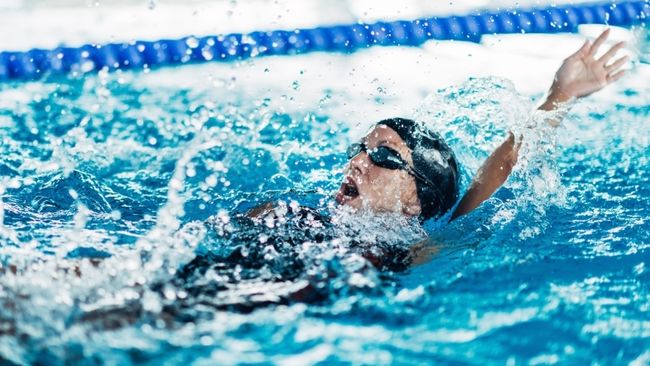
From Laps to Life Skills: What Professional Swimmers Teach About Mental Health and Recovery

Professional swimming is often viewed through the lens of competition, speed, and medals. However, behind every strong performance is a daily commitment to structure, mental discipline, and emotional endurance. Swimmers train their bodies, but they also train their minds to stay steady under pressure and recover after setbacks. These same skills are deeply relevant to mental health and addiction recovery, where consistency, resilience, and support play a vital role in healing and long-term wellness.

For individuals seeking care through addiction recovery services, mental health treatment, or inpatient and outpatient programs, the mindset of a professional swimmer offers powerful, practical lessons that can support lasting change.

Discipline: The Foundation of Stability and Recovery

Professional swimmers rely on discipline long before they see results. Early mornings, repetitive training, and strict routines create the structure needed for peak performance. This level of consistency is not optional. It is essential.

In addiction recovery, discipline works in a similar way. Healing does not happen in isolated moments of motivation. It happens through daily choices that support stability and health.

Building Structure That Supports Healing

Structured routines are a cornerstone of both swimming and recovery. In treatment settings, structure often includes therapy sessions, group support, wellness activities, and individualized care planning.

When individuals commit to a structured routine, they often experience:

  • Reduced anxiety from unpredictability
  • Improved emotional regulation
  • Stronger accountability
  • Greater sense of control over daily life

These are the same benefits swimmers rely on when they follow a consistent training schedule.

Mental Strength: Training the Mind Under Pressure

Swimming at a professional level demands more than physical strength. Athletes must stay focused even when they are exhausted, discouraged, or under intense competition pressure. Mental strength becomes the difference between giving up and pushing forward.

In recovery, mental strength is equally important. Individuals may face triggers, emotional distress, or moments of doubt. Learning how to respond rather than react is a critical part of healing.

Practical Mental Training Techniques

Professional swimmers often use mental strategies such as:

  • Visualization of successful performance
  • Breathing techniques for stress control
  • Goal setting for measurable progress
  • Mental rehearsal before competition

In mental health treatment and addiction recovery, these same tools are often used to help individuals regain focus and emotional balance. Visualization can help people imagine a healthier future. Breathing techniques can reduce anxiety. Small, realistic goals help rebuild confidence step by step.

Emotional Recovery: Learning to Reset After Setbacks

No swimmer wins every race. Setbacks are part of the sport. What matters most is how quickly they reset, learn, and return to training. Emotional recovery is just as important as physical recovery.

In addiction recovery, setbacks can feel deeply discouraging. However, they do not erase progress. Instead, they offer insight into triggers, stressors, and unmet needs.

Practicing Self Compassion in Healing

One of the most important life skills swimmers develop is emotional regulation without self destruction. They learn to analyze performance without harsh judgment.

In recovery, self compassion becomes a powerful tool. It helps individuals:

  • Reduce shame after setbacks
  • Stay engaged in treatment
  • Maintain motivation for long term healing
  • Strengthen emotional resilience

Holistic and individualized care approaches often reinforce this mindset by addressing the emotional, physical, and spiritual needs of each person.

The Power of Support Systems

No professional swimmer trains alone. Coaches, teammates, and trainers all play a role in their success. Feedback, encouragement, and accountability help athletes stay on track.

Recovery works the same way. Healing is not meant to happen in isolation.

Connection as a Core Part of Recovery

Effective addiction recovery services and mental health treatment programs emphasize connection through:

  • Individual counseling
  • Group therapy
  • Family involvement
  • Peer support systems

Faith based and holistic approaches may also offer spiritual support, which many individuals find grounding during difficult moments.

Strong support systems help individuals stay engaged, motivated, and emotionally supported throughout their recovery journey.

Routine, Purpose, and Long Term Wellness

Swimmers do not rely on short bursts of effort. They rely on long term consistency. Their routines are designed to build endurance, strength, and focus over time.

In recovery, building a meaningful routine helps individuals rediscover purpose. Over time, structure becomes stability, and stability becomes confidence.

Creating a Life That Supports Recovery

Healthy routines may include:

  • Regular sleep and nutrition habits
  • Scheduled therapy or outpatient care sessions
  • Physical activity or movement
  • Mindfulness or reflection practices

These daily actions reinforce long term mental wellness and help prevent relapse by creating stability and predictability.

Conclusion: Turning Lessons from the Pool Into Lasting Recovery

The life of a professional swimmer demonstrates that strength is not built in moments of success. It is built in daily repetition, discipline, and the ability to keep going after setbacks. These same principles apply directly to mental health and addiction recovery.

If you or someone you love is struggling, reaching out for help is a powerful first step. Through compassionate care, individualized treatment, and a holistic approach to healing, recovery becomes not just possible but sustainable.

Just like swimmers training lap after lap, healing happens one day, one choice, and one moment at a time.

Swimming for a Living: Lessons in Focus, Routine, and Emotional Well-Being

Swimming professionally is a lifestyle defined by dedication, structure, and mental resilience. Beyond the physical training, pro swimmers cultivate focus, consistency, and emotional balance that enable them to perform at their best under pressure. These lessons extend far beyond the pool, offering guidance for anyone navigating the challenges of addiction recovery, mental health treatment, or personal growth. By examining the routines and strategies of professional swimmers, we can uncover practical insights that support focus, routine, and emotional well-being in everyday life.

Focus: Sharpening the Mind for Success

Professional swimmers train not only their bodies but their minds. Each lap requires concentration, awareness, and precision. This mental discipline helps athletes remain present and adapt to challenges in real time. In recovery and mental health care, developing focus is equally important. Emotional triggers, cravings, and stressful situations demand the ability to stay grounded and respond intentionally.

Techniques to Enhance Mental Focus

Swimmers often use visualization, goal setting, and mindfulness to enhance performance. Visualizing a successful swim, breaking down strokes, and focusing on small improvements help maintain concentration. In recovery, similar practices—such as guided visualization of a healthier lifestyle, setting achievable wellness goals, and daily mindfulness exercises—can strengthen mental resilience and improve decision-making during challenging moments.

Routine: Building Stability and Consistency

Consistency is the cornerstone of professional swimming. Swimmers follow structured schedules that include training, rest, nutrition, and recovery. This consistency not only improves performance but also fosters discipline and self-accountability. Individuals in recovery benefit from the same principle. Establishing daily routines that include therapy, support groups, self-care, and reflection builds stability and reinforces positive habits.

Implementing Healthy Daily Routines

A structured routine in recovery provides a sense of purpose and predictability. Simple practices, such as journaling emotions, scheduling exercise, attending counseling, or participating in support networks, create a framework for growth. Over time, these daily actions strengthen resilience, reduce stress, and encourage steady progress toward long-term wellness.

Emotional Well-Being: Balancing the Mind and Body

Swimming at a professional level requires emotional regulation. Athletes must cope with setbacks, fatigue, and the pressure of competition. Similarly, individuals in recovery face emotional challenges and moments of vulnerability. Developing emotional awareness and self-compassion is essential for maintaining mental health and sustaining recovery.

Holistic Approaches to Emotional Wellness

Professional swimmers rely on support systems, including coaches, teammates, and mentors, to maintain motivation and perspective. In recovery, holistic and individualized care—combining counseling, faith-based guidance, and wellness practices—provides comprehensive support. Engaging with supportive communities and prioritizing self-care strengthens emotional resilience and fosters a balanced, healthy mindset.

Applying Swimming Lessons to Everyday Life

The discipline, focus, and emotional awareness cultivated by swimmers offer practical guidance for daily living. By embracing structured routines, practicing mindfulness, and seeking supportive networks, individuals can navigate challenges with greater clarity and resilience. These lessons translate into healthier decision-making, improved mental health, and sustainable recovery.

Conclusion: Taking the First Step Toward Wellness

The life of a professional swimmer demonstrates that focus, routine, and emotional well-being are cultivated through consistent practice, self-awareness, and support. These same principles can guide anyone seeking addiction recovery, mental health care, or personal growth. Reaching out for professional, compassionate support is the first step toward lasting wellness. By applying the lessons of discipline and balance from the pool, you can transform daily effort into meaningful progress, resilience, and a healthier, more fulfilling life.