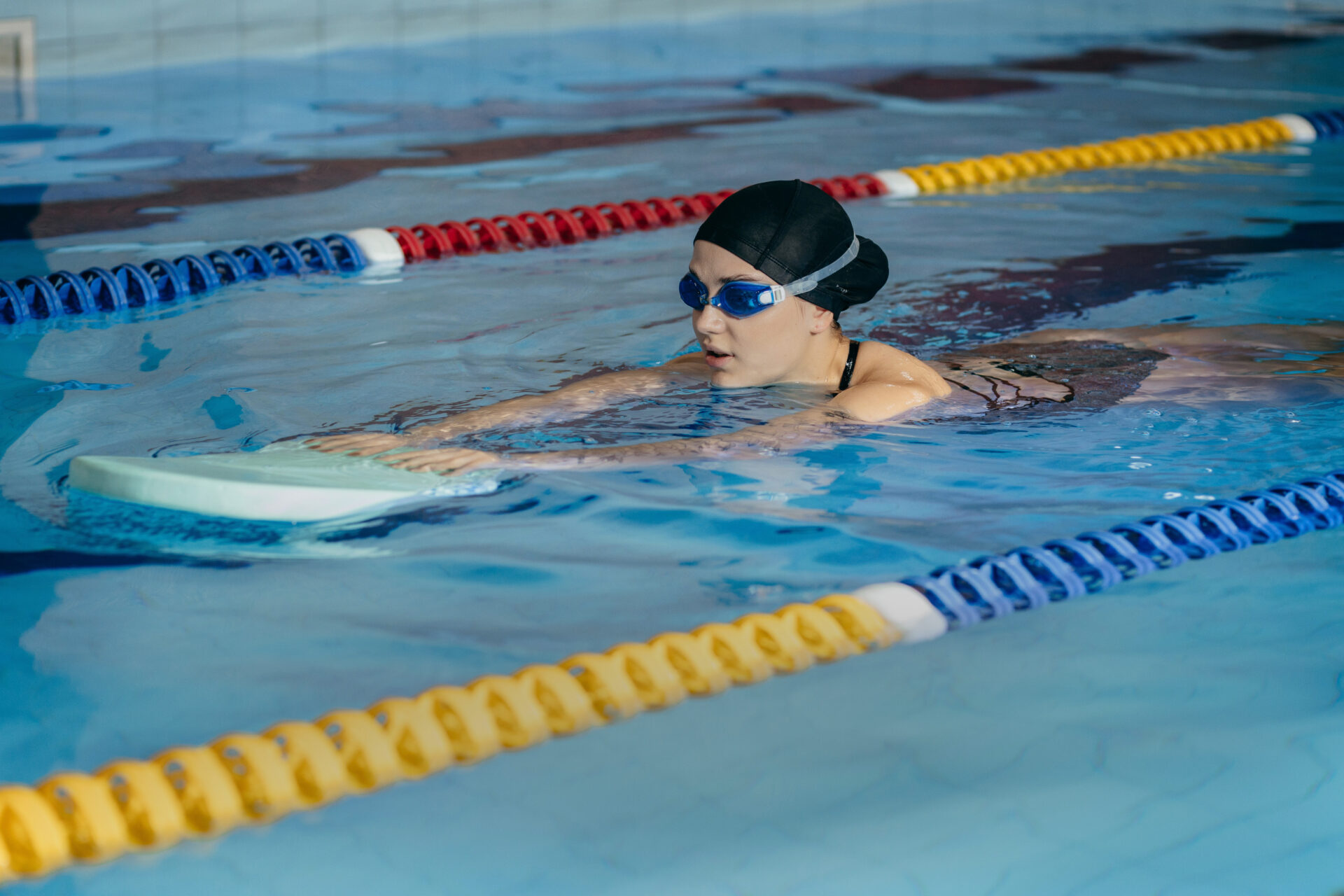
Professional swimmers spend countless hours perfecting their craft. While their achievements are often measured by race times and medals, their true success begins long before they enter the water. It is built through consistent routines, mental focus, emotional resilience, and a commitment to steady improvement. These qualities do not only create elite athletes. They also offer valuable lessons for individuals working toward addiction recovery and better mental health.
Recovery is a journey that requires patience, courage, and support. Like professional swimming, it is not about reaching perfection overnight. It is about making intentional choices every day that strengthen the mind, body, and spirit. Whether someone is receiving inpatient care, participating in an outpatient program, or embracing a holistic and faith based approach to healing, the habits of professional swimmers can inspire lasting wellness and personal growth.
Focus Creates the Foundation for Healing
Professional swimmers understand the importance of staying focused on the present moment. During training and competition, distractions can interfere with performance. Athletes learn to concentrate on the next stroke, the next lap, and the next opportunity to improve.
This same mindset is valuable in addiction recovery and mental health treatment. Worrying about the past or becoming overwhelmed by the future can make healing more difficult. Learning to stay present allows individuals to make healthier decisions one step at a time.
Practical Ways to Build Daily Focus
Developing focus is a skill that improves with practice. Healthy strategies include:
- Setting realistic daily goals
- Practicing mindfulness or meditation
- Limiting distractions that increase stress
- Celebrating small accomplishments
- Staying engaged in therapy and treatment
These habits help strengthen confidence while reducing feelings of anxiety and emotional overwhelm.
Consistent Recovery Leads to Lasting Results
Professional swimmers rarely miss training because they understand that consistency produces progress. Small improvements repeated every day eventually lead to outstanding performance.
Recovery works the same way. Lasting change comes from making healthy choices consistently rather than expecting immediate transformation.
Building Healthy Daily Routines
Many addiction recovery and mental health treatment programs encourage structured routines because they create stability during the healing process.
Healthy routines often include:
- Individual counseling sessions
- Group therapy participation
- Physical activity and movement
- Nutritious meals
- Healthy sleep habits
- Personal reflection and gratitude
Each of these activities contributes to stronger emotional and physical well being over time.
Emotional Balance Is a Skill That Can Be Developed
Professional swimmers experience pressure before competitions, disappointment after difficult races, and physical exhaustion throughout training. Learning how to manage these emotions is essential for long term success.
Individuals in recovery also face emotional challenges. Stress, grief, anxiety, guilt, and frustration can all become obstacles if they are not addressed in healthy ways.
Healthy Emotional Coping Strategies
Treatment programs often help individuals develop practical coping skills such as:
- Recognizing emotional triggers
- Practicing deep breathing during stressful moments
- Replacing unhealthy behaviors with positive habits
- Learning healthy communication skills
- Seeking support instead of withdrawing
Holistic treatment approaches may also include mindfulness, spiritual guidance, wellness activities, and other practices that support emotional healing from multiple perspectives.
Recovery Requires Strength Beyond Physical Endurance
The greatest strength professional swimmers develop is often mental rather than physical. They learn how to stay committed during difficult training sessions, recover from setbacks, and trust the process even when results take time.
Recovery asks individuals to develop that same type of inner strength.
Building Resilience Through Compassionate Care
Resilience grows when individuals receive personalized support that addresses their unique needs. Effective addiction recovery programs often combine several forms of care, including:
- Individual therapy
- Family counseling
- Group support
- Holistic wellness services
- Faith based guidance for those who desire spiritual support
This individualized approach helps people develop the tools needed to overcome challenges while building confidence in their ability to create lasting change.
Progress Is Built One Step at a Time
Professional swimmers understand that improvement happens gradually. Every workout contributes to future success, even when immediate results are not visible.
Recovery follows the same pattern. Every healthy decision strengthens the foundation for long term wellness.
Celebrating Meaningful Progress
Progress in recovery may include:
- Managing emotions more effectively
- Strengthening relationships with loved ones
- Building healthier daily habits
- Remaining committed to treatment
- Gaining confidence and hope for the future
Recognizing these victories helps individuals stay motivated throughout their healing journey.
The Importance of Community and Support
Behind every successful swimmer is a team of coaches, trainers, teammates, and supporters who provide encouragement and accountability. Success rarely happens alone.
Recovery also becomes stronger when individuals are surrounded by compassionate professionals, supportive peers, and caring family members.
Supportive relationships provide:
- Encouragement during difficult moments
- Accountability for healthy choices
- Opportunities to learn from shared experiences
- A reminder that no one has to face recovery alone
These connections often become one of the strongest sources of hope throughout the recovery journey.
Conclusion: Bringing the Swimmer’s Mindset Into Everyday Recovery
The lessons learned beyond the pool extend far beyond athletics. Professional swimmers demonstrate that focus, consistency, resilience, and emotional balance are developed through daily commitment rather than extraordinary moments. These same qualities can help individuals overcome addiction, improve mental health, and build a healthier future.
If you or someone you love is facing addiction or mental health challenges, seeking professional support is an important first step. Compassionate, individualized treatment can provide the guidance, structure, and encouragement needed to move forward with confidence.
Recovery is not about becoming perfect. It is about choosing growth every day. Like a professional swimmer completing one lap after another, lasting wellness is achieved through steady progress, meaningful support, and the courage to keep moving toward a healthier life.