Swimming Through Shadows: The Mental Toll of Chasing Gold

At first glance, professional swimmers appear to embody resilience and strength. They glide across the water with power and grace, celebrated for their dedication and discipline. Yet behind every medal and record-breaking performance is a less visible reality. The constant pursuit of victory, the pressure of expectations, and the emotional weight of competition can take a serious toll on mental health. For some, these struggles even lead to unhealthy coping mechanisms, including substance use.

At Hawaiian Pools Memphis, we understand that success can carry hidden burdens. Just as athletes train their bodies, they must also care for their minds and spirits. Our programs are designed to help individuals facing addiction and mental health challenges find healing, balance, and renewed hope.

The Pressure Behind Performance

Elite swimmers often begin training before sunrise and dedicate countless hours each week to improving speed and endurance. While the physical demands are clear, the emotional pressures are often overlooked. The constant need to perform at peak levels, maintain an image of strength, and meet the expectations of coaches, family, and fans can leave swimmers feeling drained and isolated.

This kind of pressure does not disappear when the race ends. Over time, it can build into anxiety, depression, or burnout. When athletes tie their self-worth to their performance, a single loss or injury can feel devastating.

The Link Between Mental Health and Addiction

When stress and emotional exhaustion go unaddressed, many athletes search for ways to cope. Unfortunately, some turn to substances as a way to escape the pressure or mask emotional pain. What begins as a temporary release can quickly spiral into dependency, leaving swimmers battling an invisible fight long after leaving the pool.

At Hawaiian Pools Memphis, we know that addiction and mental health challenges are deeply connected. Treating one without addressing the other often leaves individuals vulnerable to relapse. That is why our approach focuses on healing the whole person.

A Holistic Path to Recovery

Inpatient and Outpatient Options

We offer both inpatient and outpatient care because recovery looks different for everyone. Inpatient programs provide structure, accountability, and intensive support, while outpatient care allows individuals to continue managing work, family, or school while receiving treatment.

Faith-Based and Individualized Care

For those who draw strength from their faith, we offer faith-based programs that bring spiritual renewal alongside clinical treatment. Each client receives a personalized care plan, tailored to their unique challenges, goals, and strengths.

Healing Mind, Body, and Spirit

Our holistic model includes therapy, wellness practices, and emotional support that go beyond surface-level treatment. We help individuals develop coping strategies, build resilience, and rediscover purpose outside of their sport or struggles.

Breaking Free From Silent Struggles

The stigma surrounding mental health and addiction often prevents athletes from seeking help. Many fear being seen as weak or letting others down. Yet the bravest step a swimmer—or anyone—can take is reaching out for support. Recovery is not about giving up. It is about reclaiming life and finding strength in new, healthier ways.

Take the First Step Today

Swimming through shadows can feel lonely, but no one has to fight in silence. If you or someone you love is struggling with addiction, mental health challenges, or the weight of overwhelming expectations, Hawaiian Pools Memphis is here to help.

Our compassionate team is ready to walk with you on the journey to healing, offering personalized care that restores balance and hope. Reach out today and take the first step toward recovery.
Smiling on the Podium, Hurting Inside: The Hidden Side of Swimming Success

To the outside world, professional swimmers seem to embody strength, discipline, and joy. They stand on podiums with medals around their necks, smiling as crowds cheer their victories. What we often do not see, however, is the hidden pain that lingers beneath the surface. Behind the glory of success, many athletes face overwhelming emotional struggles, unspoken mental health battles, and even substance use as a way to cope with the weight of constant performance.

At Hawaiian Pools Memphis, we recognize that true healing is about more than overcoming visible challenges. It is about addressing the invisible burdens that individuals carry and offering a path to lasting recovery.

The Pressure Behind the Podium

Elite swimmers dedicate countless hours to training, sacrificing sleep, social life, and personal freedom to chase perfection. While their achievements are inspiring, the emotional cost can be staggering. The pressure to perform at the highest level, maintain peak physical condition, and meet public expectations often leaves little room for rest or balance.

Many athletes internalize these demands, leading to anxiety, depression, or feelings of isolation. Some turn to substances to numb emotional pain or escape relentless stress. Over time, what began as a passion can become an emotional burden that feels impossible to share.

Understanding the Connection Between Mental Health and Addiction

When the mind and body are pushed to extremes, cracks begin to appear. Mental health challenges and addiction often go hand in hand, particularly in high-pressure environments like professional sports. At Hawaiian Pools Memphis, we understand this connection and treat both the physical and emotional aspects of recovery.

By addressing the root causes of distress, whether that is trauma, burnout, or unresolved personal struggles, individuals can find healing that extends far beyond temporary relief.

Holistic and Faith-Based Approaches to Recovery

True recovery is not one-size-fits-all. Every swimmer, and every person, has a unique story. That is why we provide individualized care that takes the whole person into account.

Inpatient and Outpatient Care

We offer both inpatient treatment, where clients can immerse themselves in a supportive environment, and outpatient programs that provide flexibility for those balancing daily responsibilities.

Mind, Body, and Spirit

Our holistic approach integrates therapy, wellness practices, and faith-based guidance for those who seek it. Healing is not only about stopping harmful behaviors but also about rediscovering identity, building resilience, and creating new paths forward.

Breaking the Silence

One of the most difficult challenges for athletes and anyone struggling with addiction or mental health issues is breaking the silence. The culture of toughness often discourages vulnerability, yet speaking up is one of the bravest and most powerful steps a person can take.

At Hawaiian Pools Memphis, we walk alongside clients as they share their stories, rebuild their strength, and find hope for a healthier future.

Taking the Next Step Toward Healing

Smiling on the podium does not always mean someone is free from pain. If you or a loved one is struggling with addiction, mental health challenges, or the pressure of expectations, you do not have to face it alone.

Our compassionate and professional team is here to guide you toward recovery with personalized care that values your whole self. Reach out today and take the first step toward healing, balance, and a life filled with genuine joy.

Beyond the Finish Line: The Invisible Burdens of Pro Swimmers

The world sees professional swimmers as the picture of discipline, endurance, and triumph. Their strength, speed, and determination inspire millions. Yet what happens beyond the finish line often tells a very different story. Behind the podium smiles are silent battles with stress, anxiety, depression, and even substance use as athletes cope with the pressure of constant performance. At Hawaiian Pools Memphis, we understand that the toll of high achievement can extend far beyond the sport itself, and that healing requires more than physical recovery. It demands care for the whole person.

The Hidden Struggles of Elite Athletes

For many professional swimmers, life revolves around strict training schedules, intense competition, and relentless self-discipline. The pressure to win is constant. While these qualities can lead to incredible athletic achievements, they can also result in emotional exhaustion, burnout, and unhealthy coping mechanisms. Athletes may turn to substances to escape stress, or they may isolate themselves in silence, feeling unable to share their struggles.

This is why mental health care for athletes is so essential. Addiction and emotional distress do not discriminate. Even those who seem the strongest can find themselves facing invisible burdens that are just as challenging as any race.

Understanding the Mind-Body Connection

At Hawaiian Pools Memphis, we recognize the deep connection between mental and physical health. For athletes, the body is the tool of their craft, but without mental balance, physical performance suffers. Long-term stress, unresolved trauma, or untreated addiction can lead to declining health, loss of motivation, and strained relationships.

Our approach is holistic, meaning we address the whole person. Through faith-based guidance, evidence-based therapies, and personalized care plans, we help clients rebuild their lives with strength that lasts far beyond the competitive arena.

Comprehensive Treatment Tailored to the Individual

Every athlete’s journey is unique, which is why we provide individualized treatment options. We offer both inpatient and outpatient care to meet different needs. Inpatient programs provide a structured environment for deep healing, while outpatient care allows individuals to continue training, working, or studying while receiving support.

Our services include addiction recovery programs, mental health counseling, and wellness therapies that focus on long-term resilience. Whether a swimmer is dealing with the aftermath of injury, the pressure of competition, or the challenge of sobriety, our team offers compassionate guidance every step of the way.

Building a Life Beyond the Pool

True recovery is about more than ending substance use or managing mental health symptoms. It is about creating a fulfilling, balanced life. For many professional swimmers, this means learning new coping skills, redefining personal goals, and finding joy outside of competition.

We encourage clients to embrace practices that nurture the body, mind, and spirit. From mindfulness exercises to faith-based support groups, we help individuals rediscover their identity beyond their sport.

Take the First Step Toward Healing

The journey to wellness does not begin on the starting block. It begins with the courage to reach out for help. If you or someone you love is a professional athlete struggling with addiction, mental health challenges, or the overwhelming pressure of competition, Hawaiian Pools Memphis is here to help. Our compassionate, expert team is ready to walk with you toward a healthier, more balanced future.

Contact us today to learn more about our programs and start building a life that thrives beyond the finish line.

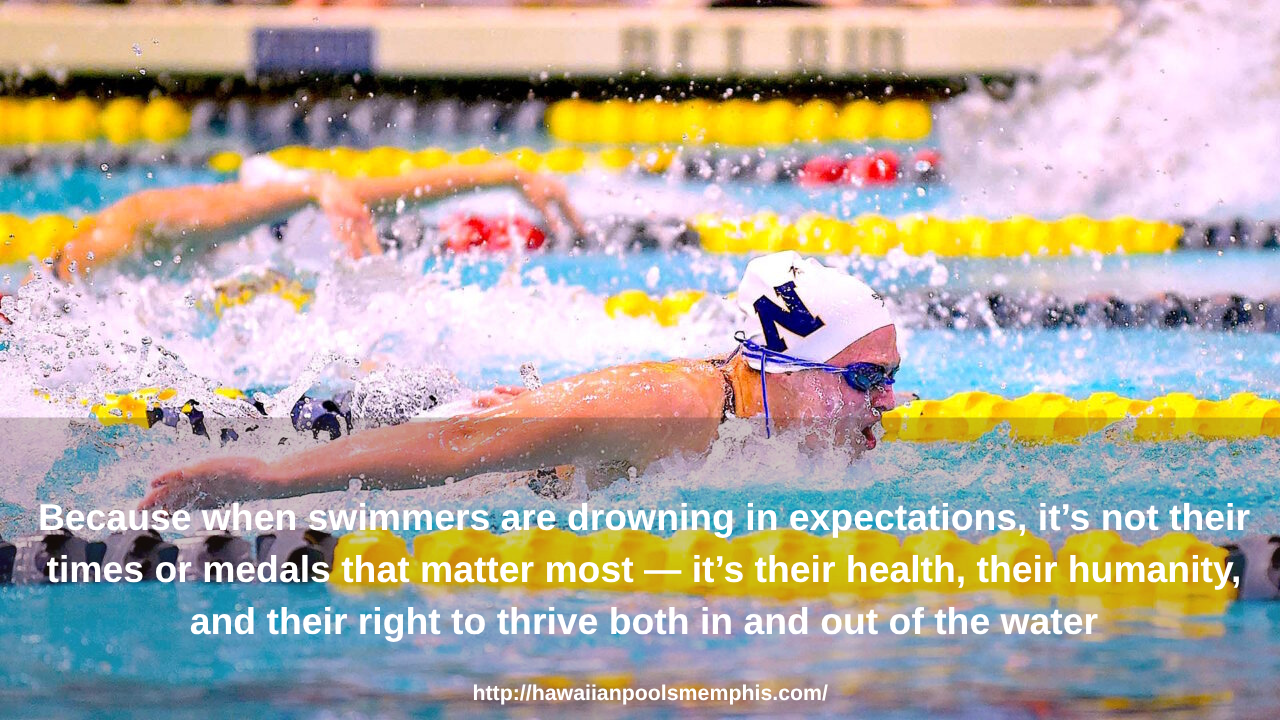
Drowning in Expectations: The Emotional Cost of Elite Swimming

Elite swimming is often portrayed as a world of triumph, record-breaking speed, and personal victory. The precision, power, and beauty of the sport captivate audiences worldwide. But beyond the applause and medals lies a deeper, more complex story — one of overwhelming pressure, emotional exhaustion, and the constant weight of expectation that many swimmers silently carry.

For most elite swimmers, the pressure begins early. Many start competing at a young age, quickly immersed in a demanding world of early morning practices, strict routines, and relentless competition. As they progress through the ranks, the stakes grow higher. Coaches, parents, peers, sponsors, and fans all begin to expect results. Success becomes the standard, and anything less can feel like failure.

The emotional toll of this pressure can be immense. When a swimmer’s identity becomes wrapped up in performance, every race carries more than just the possibility of victory or defeat — it carries the burden of proving self-worth. Missing a personal best time, failing to qualify for a final, or slipping off the podium doesn’t just sting — it can unravel a swimmer’s confidence, leaving them feeling lost and inadequate.

What makes the emotional struggle even more isolating is the culture that surrounds the sport. Swimming, like many elite athletic disciplines, often champions mental toughness above all else. Pushing through pain is expected. Voicing fear, anxiety, or sadness can be perceived as weakness. As a result, many swimmers bottle up their feelings, putting on a brave face while silently battling stress, burnout, and depression.

The fear of disappointing others — teammates, coaches, family, or an entire nation — only adds to the internal pressure. Elite athletes often become role models, their successes held up as symbols of hard work and dedication. But behind the scenes, many are struggling just to stay afloat emotionally. The constant pursuit of perfection, combined with public scrutiny and limited personal downtime, can erode even the most resilient minds.

Fortunately, in recent years, some brave swimmers have stepped forward to share their truths. Olympic champions like Simone Manuel and Michael Phelps have opened up about their experiences with anxiety, depression, and burnout. Their honesty has not only broken stigmas but also reminded the world that even the strongest athletes are human.

Still, more change is needed. Coaches, institutions, and athletic organizations must prioritize emotional wellness alongside physical performance. Mental health professionals should be as common as strength trainers on swim teams. Athletes should be empowered to speak out without fear of judgment or career consequences.

Swimming is a sport that demands incredible discipline and resilience. But no athlete should have to choose between success and mental well-being. The expectations placed on elite swimmers should be balanced with compassion, understanding, and support.

Because when swimmers are drowning in expectations, it’s not their times or medals that matter most — it’s their health, their humanity, and their right to thrive both in and out of the water.