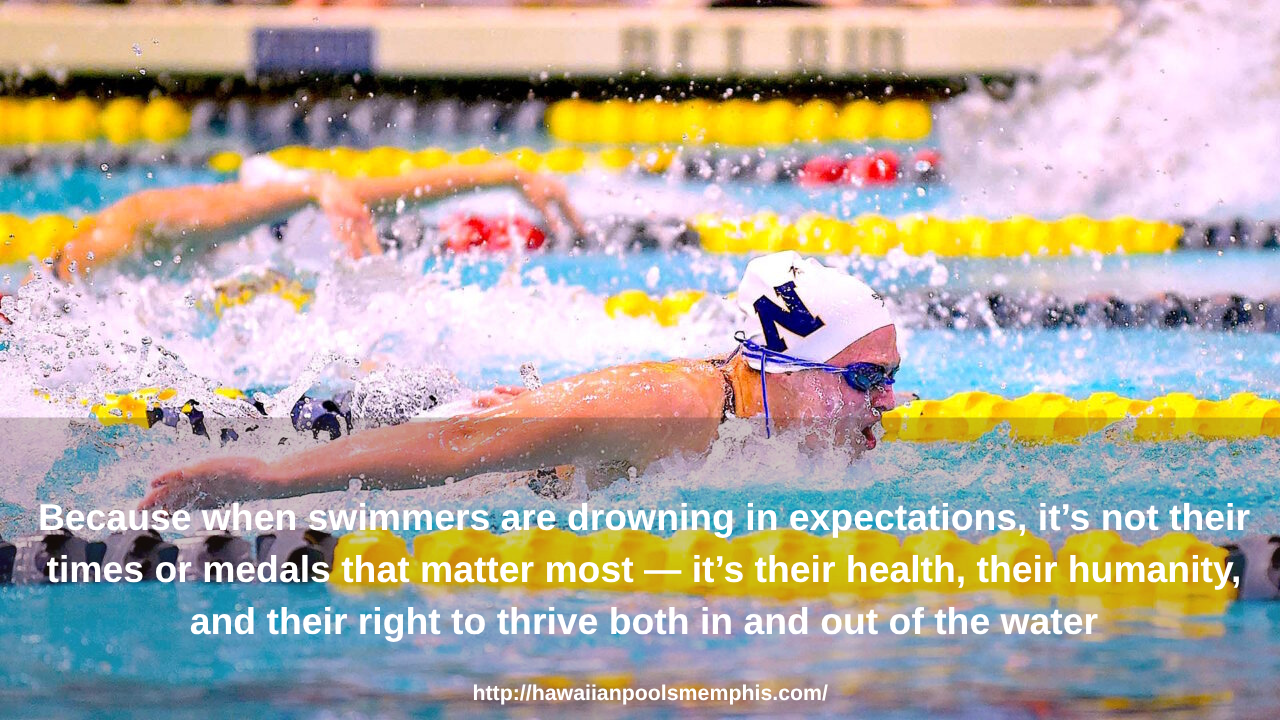
Elite swimming is often portrayed as a world of triumph, record-breaking speed, and personal victory. The precision, power, and beauty of the sport captivate audiences worldwide. But beyond the applause and medals lies a deeper, more complex story — one of overwhelming pressure, emotional exhaustion, and the constant weight of expectation that many swimmers silently carry.
For most elite swimmers, the pressure begins early. Many start competing at a young age, quickly immersed in a demanding world of early morning practices, strict routines, and relentless competition. As they progress through the ranks, the stakes grow higher. Coaches, parents, peers, sponsors, and fans all begin to expect results. Success becomes the standard, and anything less can feel like failure.
The emotional toll of this pressure can be immense. When a swimmer’s identity becomes wrapped up in performance, every race carries more than just the possibility of victory or defeat — it carries the burden of proving self-worth. Missing a personal best time, failing to qualify for a final, or slipping off the podium doesn’t just sting — it can unravel a swimmer’s confidence, leaving them feeling lost and inadequate.
What makes the emotional struggle even more isolating is the culture that surrounds the sport. Swimming, like many elite athletic disciplines, often champions mental toughness above all else. Pushing through pain is expected. Voicing fear, anxiety, or sadness can be perceived as weakness. As a result, many swimmers bottle up their feelings, putting on a brave face while silently battling stress, burnout, and depression.
The fear of disappointing others — teammates, coaches, family, or an entire nation — only adds to the internal pressure. Elite athletes often become role models, their successes held up as symbols of hard work and dedication. But behind the scenes, many are struggling just to stay afloat emotionally. The constant pursuit of perfection, combined with public scrutiny and limited personal downtime, can erode even the most resilient minds.
Fortunately, in recent years, some brave swimmers have stepped forward to share their truths. Olympic champions like Simone Manuel and Michael Phelps have opened up about their experiences with anxiety, depression, and burnout. Their honesty has not only broken stigmas but also reminded the world that even the strongest athletes are human.
Still, more change is needed. Coaches, institutions, and athletic organizations must prioritize emotional wellness alongside physical performance. Mental health professionals should be as common as strength trainers on swim teams. Athletes should be empowered to speak out without fear of judgment or career consequences.
Swimming is a sport that demands incredible discipline and resilience. But no athlete should have to choose between success and mental well-being. The expectations placed on elite swimmers should be balanced with compassion, understanding, and support.
Because when swimmers are drowning in expectations, it’s not their times or medals that matter most — it’s their health, their humanity, and their right to thrive both in and out of the water.