The Silent Stroke: Mental Health Battles in Competitive Swimming

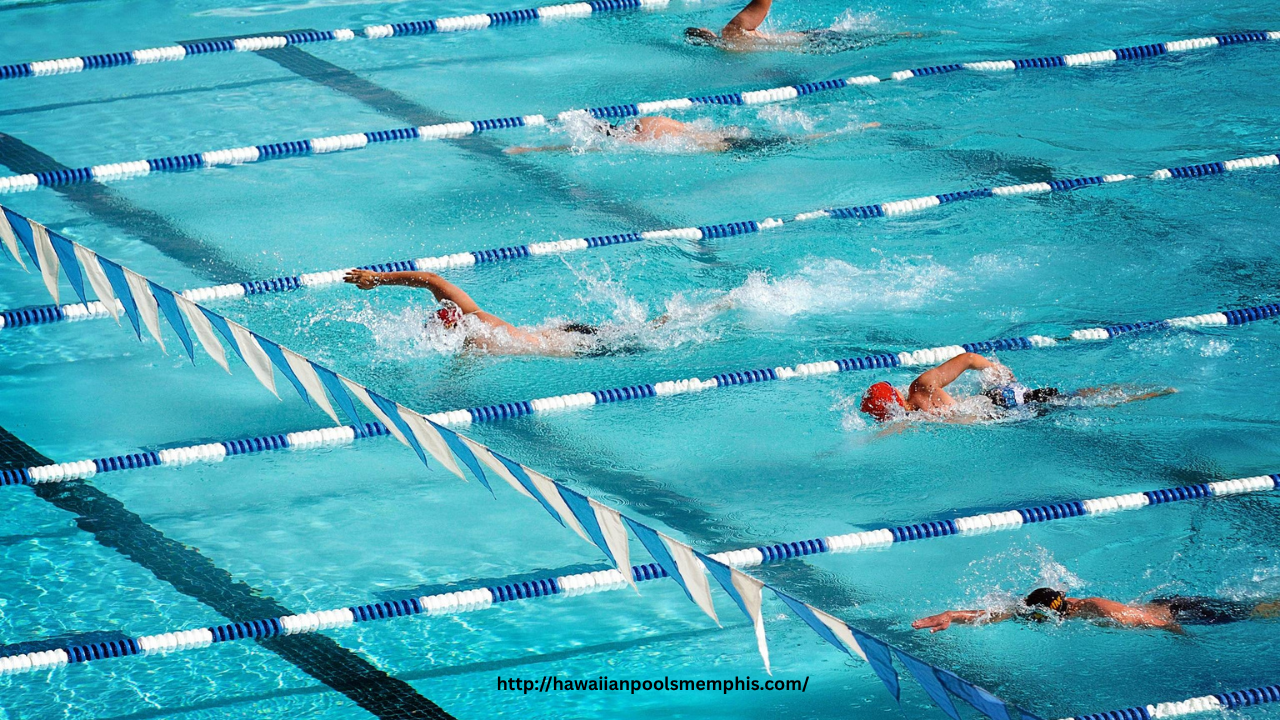
Competitive swimming is often celebrated as a sport of discipline, power, and grace. Spectators watch in awe as athletes slice through the water, chasing personal bests and world records. But beneath the surface of this physically demanding sport lies a quieter, often unseen struggle — the battle for mental health. For many swimmers, the most challenging strokes are not the ones in the pool but the silent ones they take to cope with stress, anxiety, and emotional exhaustion.

Swimming is unique in its solitude. Unlike team sports where athletes share the pressure in real-time, swimmers spend hours alone in the water, repeating lap after lap with little distraction from their own thoughts. This solitude can be meditative for some, but for others, it amplifies internal struggles. Thoughts of failure, self-doubt, and fear of disappointing others can echo loudly beneath the surface, leading to emotional fatigue that’s harder to spot than physical injuries.

From a young age, competitive swimmers are conditioned to strive for perfection. Early mornings, strict diets, grueling practice schedules, and constant competition become the norm. While this dedication breeds champions, it can also create a culture where self-worth is tied directly to performance. A swimmer who misses a qualifying time or loses a race may not just feel disappointed—they may feel like they’ve failed as a person.

This pressure can lead to serious mental health challenges, including anxiety, depression, and burnout. Many swimmers suffer in silence, afraid to speak up for fear of being seen as weak or uncommitted. The culture of toughness in sports often discourages vulnerability, leaving athletes to battle emotional struggles alone. Over time, this silence can lead to isolation, withdrawal, and even thoughts of quitting the sport altogether.

High-profile swimmers have recently begun to shed light on these hidden struggles. Olympic legends like Michael Phelps and Allison Schmitt have openly discussed their experiences with depression and suicidal thoughts, breaking the stigma surrounding mental health in swimming. Their courage has encouraged others to seek help and speak out, sparking much-needed conversations within the swimming community.

Coaches and organizations are slowly starting to prioritize mental health, incorporating sports psychologists into training teams and encouraging open dialogue about emotional well-being. But more work remains. Swimmers need access to mental health resources just as much as they need physical recovery tools. Programs that teach coping strategies, stress management, and emotional resilience are essential to creating a healthier, more balanced approach to competitive swimming.

At its core, swimming is about endurance, both physically and mentally. Recognizing the mental health battles that swimmers face is not a sign of weakness but a step toward true athletic excellence. Athletes should not have to choose between success and well-being.

The silent stroke may not make headlines or break records, but it’s one of the most important battles in the life of a swimmer. By bringing these struggles to the surface, we can create a sport where swimmers are supported in both mind and body — and where no one has to fight alone.
Gold or Bust: The Untold Physical and Psychological Demands of Pro Swimming

To the outside world, professional swimming looks like a sport of elegance, strength, and triumph. Fans see the powerful strokes, explosive dives, and record-shattering finishes. They witness the glory of gold medals and the emotional national anthems. But what often goes unseen is the relentless pressure and sacrifice beneath the surface — the physical punishment and psychological toll endured by swimmers chasing perfection.

The phrase “gold or bust” is more than a mindset; it’s a way of life for many elite swimmers. From a young age, athletes are conditioned to believe that anything short of first place isn’t enough. The journey to the top is paved with early mornings, long hours in the water, strict diets, and an unyielding schedule that leaves little room for rest or recovery. While these sacrifices may lead to the podium, they also come with consequences.

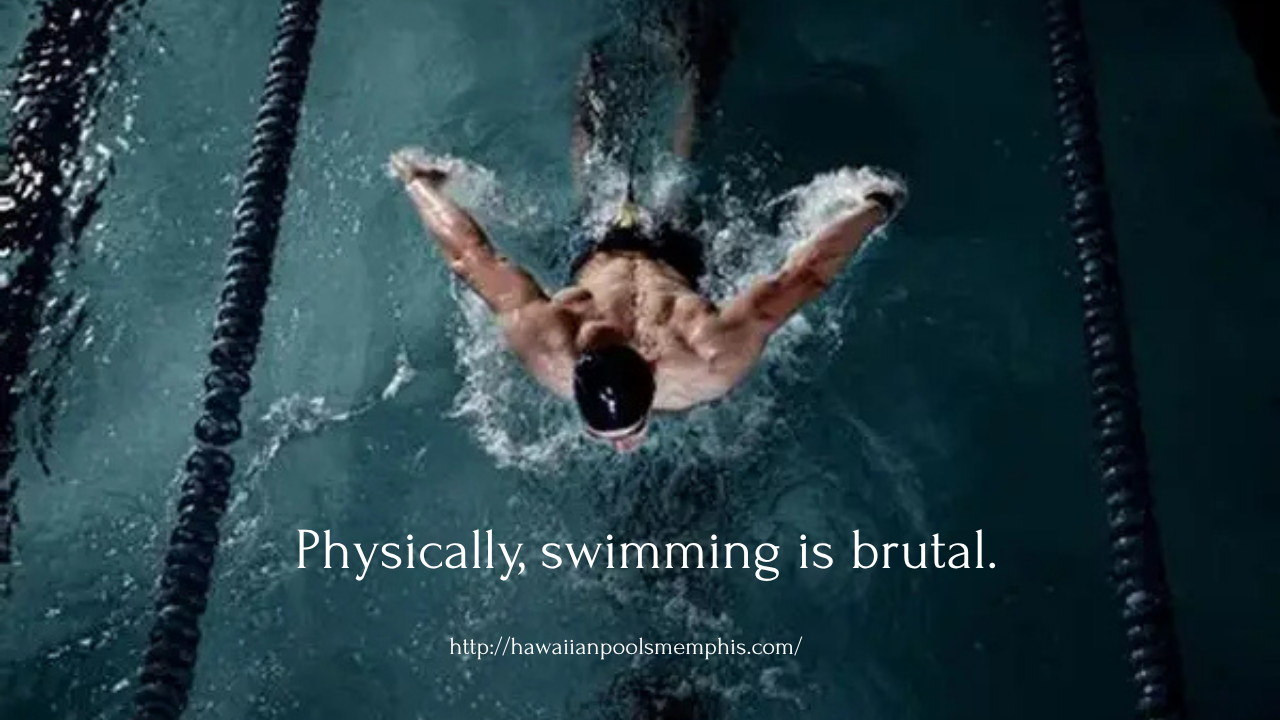
Physically, swimming is brutal. The sport requires full-body engagement, repetitive motion, and an intense level of cardiovascular conditioning. Most pro swimmers train six days a week, often twice a day, racking up thousands of meters each session. The toll on the body is significant — shoulder injuries, lower back pain, chronic fatigue, and overuse injuries are common. Swimmers often push through pain, accepting it as part of the process, sometimes risking long-term damage in the pursuit of short-term gains.

But while the physical demands are visible in aching muscles and taped joints, the psychological stress runs much deeper and is harder to detect. The pressure to perform, qualify, and win is relentless. Swimmers face the constant weight of expectations — from coaches, teammates, sponsors, fans, and most of all, themselves. In a sport where hundredths of a second can separate victory from defeat, the margin for error is terrifyingly small.

This pressure can lead to anxiety, depression, and a toxic relationship with performance. Many swimmers tie their identity to their results. A poor race isn’t just a disappointment — it feels like a personal failure. The pursuit of gold can become all-consuming, leaving little space for joy, balance, or self-care.

Even at the height of success, mental health challenges persist. Olympic champions have opened up in recent years about post-competition emptiness, burnout, and the emotional crash after years of intense focus. The very goal that once drove them becomes a source of pain when the medals are won and the spotlight fades.

Fortunately, awareness is growing. Conversations around athlete mental health are becoming more common, and support systems are starting to emerge. Sports psychologists, mental wellness training, and open dialogue are slowly finding their place in the world of swimming. But stigma still lingers, and too many athletes remain afraid to admit when they’re struggling.

Swimming at the highest level is a feat of extraordinary strength and discipline — but it should not come at the cost of long-term well-being. It’s time to look beyond the podium and recognize the whole athlete: not just for their speed or medals, but for their resilience, vulnerability, and humanity.

Because in a world that often says “gold or bust,” we must remind ourselves: no medal is worth losing yourself.