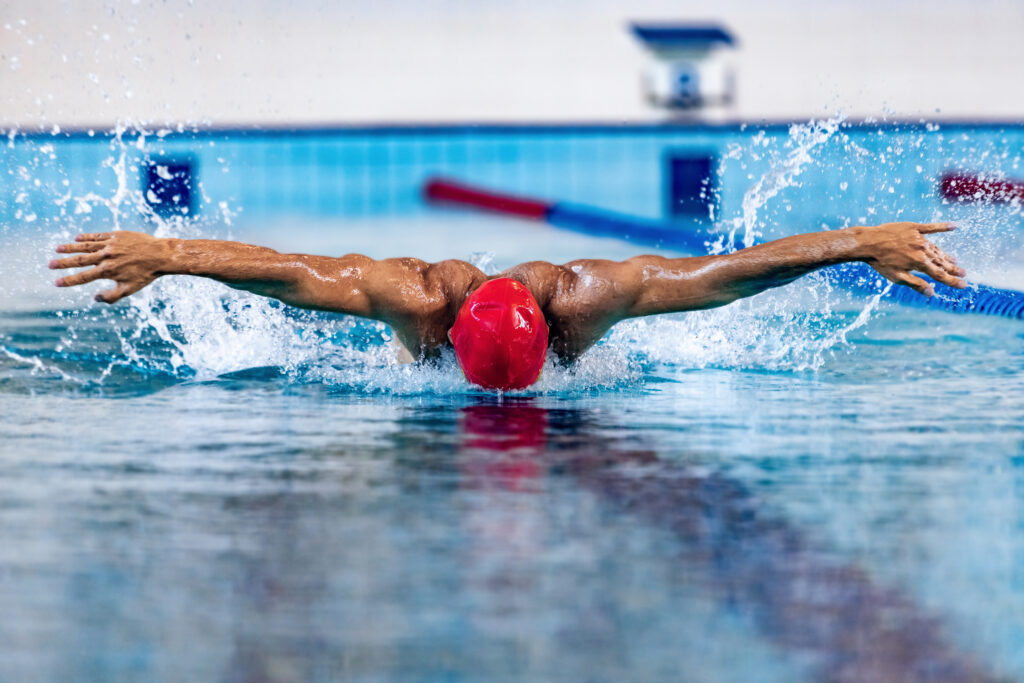
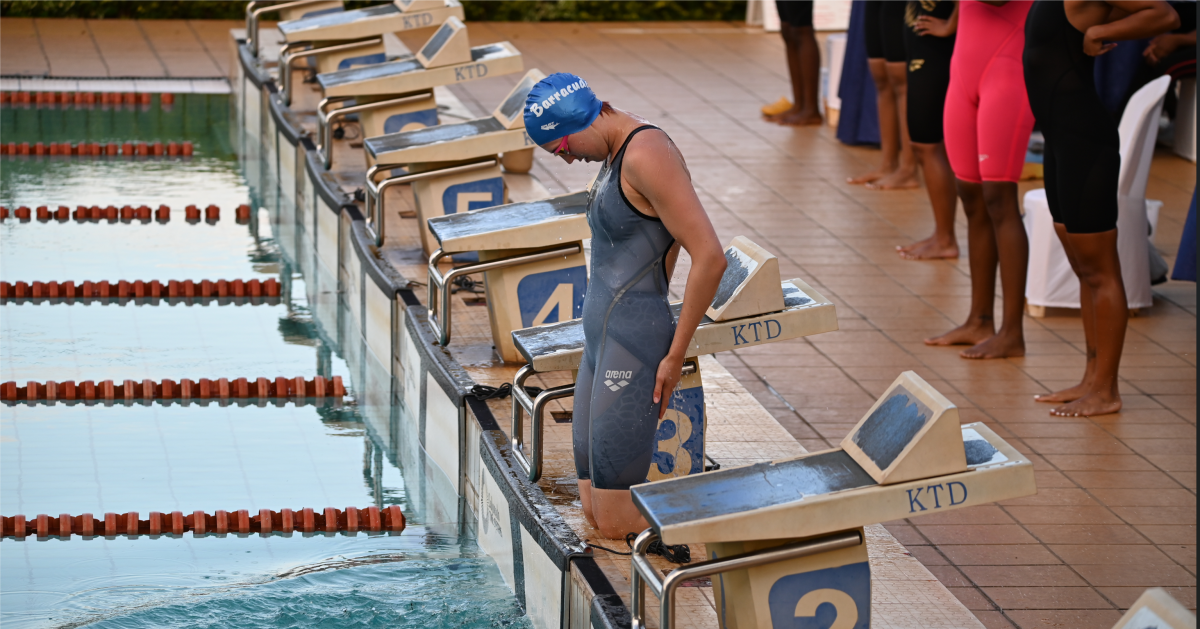
Swimming for a Living: How the Daily Grind Builds Mental Strength and Emotional Balance

Swimming professionally is often seen as glamorous, but the reality is far more demanding. Each day involves rigorous training, strict routines, and mental challenges that test both endurance and focus. Beyond physical strength, the life of a swimmer teaches valuable lessons about consistency, resilience, and emotional balance. These lessons are not limited to athletics—they can provide practical guidance for individuals navigating addiction recovery or mental health challenges. The discipline and mindset developed in the pool offer a roadmap for personal growth and holistic well-being.

Consistency: The Key to Progress

Professional swimmers rely on consistent practice to achieve results. Daily laps, technique drills, and conditioning exercises are repeated with precision. This consistency strengthens both the body and the mind, reinforcing habits that lead to lasting improvement. Similarly, recovery from addiction depends on consistent engagement with supportive practices. Regular therapy sessions, group support, and self-care routines create a stable foundation for growth and long-term success.

Building a Structured Routine

A structured routine reduces uncertainty and builds confidence. In recovery, scheduling daily activities such as counseling, mindfulness exercises, and wellness practices mirrors the disciplined approach swimmers use in training. This structure fosters accountability, reinforces healthy habits, and helps individuals navigate challenges with clarity and focus.

Mental Strength Through Daily Challenges

Swimming is as much a mental challenge as a physical one. Maintaining concentration, managing fatigue, and staying motivated are essential for peak performance. Individuals in recovery face comparable challenges—emotional triggers, stress, and moments of doubt can undermine progress. Developing mental strength helps individuals respond thoughtfully rather than react impulsively, increasing the likelihood of sustained success.

Techniques to Strengthen the Mind

Professional swimmers often use visualization, goal setting, and mindfulness to prepare mentally. Similarly, in recovery, envisioning success, setting achievable goals, and practicing self-reflection enhance resilience and emotional stability. These strategies allow individuals to navigate setbacks, manage stress, and build confidence over time.

Emotional Balance and Resilience

The emotional demands of competitive swimming are often underestimated. Pressure to perform, setbacks, and fatigue can create stress and anxiety. Swimmers learn to recognize their emotions, recover from disappointment, and maintain focus. In addiction recovery, emotional regulation is equally important. Therapy, holistic support, and faith-based guidance help individuals develop emotional awareness, manage triggers, and cultivate resilience.

Holistic Approaches for Mind and Body

Professional swimmers integrate mental training, nutrition, and physical conditioning to achieve peak performance. Similarly, holistic recovery programs address the whole person, offering individualized care, counseling, spiritual guidance, and wellness practices. This comprehensive approach strengthens mental, emotional, and physical health, supporting sustainable healing and personal growth.

Support Systems Make a Difference

No swimmer achieves excellence alone. Coaches, teammates, and mentors provide guidance, encouragement, and accountability. In recovery, support networks are equally critical. Therapists, peers, and loved ones offer the emotional support and accountability needed to sustain progress. Individualized care plans and holistic approaches create a supportive environment that fosters growth and stability.

Conclusion: Turning Discipline Into Lasting Wellness

The life of a professional swimmer demonstrates that consistency, mental strength, and emotional balance are cultivated through daily effort and structured routines. These principles apply directly to addiction recovery and mental health treatment. By embracing structure, developing mental focus, and seeking holistic support, individuals can navigate challenges, maintain progress, and achieve lasting wellness. If you or a loved one are seeking guidance for recovery, reaching out for professional, compassionate support can be the first step toward a healthier, more balanced life. Like swimmers transforming daily practice into peak performance, you can transform consistent effort into lasting personal growth and emotional well-being.

The Life of a Professional Swimmer: Lessons in Discipline and Resilience for Everyday Wellness

The life of a professional swimmer is built on more than speed and technique. Every day requires dedication, focus, and a commitment to growth that stretches far beyond the pool. Swimmers face early mornings, repetitive training, and mental pressure that can test even the strongest resolve. Yet these challenges teach invaluable lessons in discipline, resilience, and self-awareness. For anyone navigating addiction recovery or striving to improve mental well-being, the mindset of a professional swimmer offers actionable insights that can inspire personal growth and wellness.

Discipline as a Foundation for Success

Professional swimmers rely on routine. Their schedules balance training, nutrition, rest, and mental preparation to maximize performance. This discipline is not only physical but mental, training the mind to focus on goals and manage obstacles effectively. In recovery, establishing similar routines provides structure, stability, and a sense of control. Consistent therapy sessions, support group attendance, and daily wellness practices can create the framework needed to sustain long-term recovery.

Establishing Daily Habits

Small, consistent actions drive meaningful change. Just as swimmers practice their strokes repeatedly, individuals in recovery benefit from repeated engagement with healthy habits. Journaling, mindfulness exercises, and scheduled reflection help maintain mental clarity and emotional balance. Over time, these practices reinforce resilience and improve the ability to cope with challenges.

Resilience Through Challenges

Setbacks are inevitable in professional swimming. Poor performance, injuries, or unexpected obstacles test an athlete’s perseverance. Learning to navigate these setbacks without losing motivation builds resilience. Similarly, recovery is rarely linear. Relapse, emotional struggles, or difficult triggers can arise, but viewing these moments as opportunities for learning rather than failure is essential for sustained progress.

Emotional Regulation and Self-Compassion

Professional swimmers cultivate self-awareness and emotional control, which allows them to respond thoughtfully under pressure. Recovery programs emphasize the same skills. Mindfulness, therapy, and faith-based support help individuals recognize emotional triggers, respond with compassion, and avoid self-critical thinking that can hinder progress.

Mental Strength and Focus

Competitive swimming demands mental toughness. Athletes must remain focused during high-pressure situations, maintain confidence, and adapt to challenges. In recovery, developing mental strength is equally important. Techniques such as visualization, goal setting, and structured reflection support concentration, reduce stress, and strengthen commitment to personal wellness.

Visualization and Goal-Setting in Recovery

Swimmers often visualize successful performance before each race to prepare mentally. Individuals in recovery can apply similar strategies. Visualizing a healthier life, setting small, achievable goals, and celebrating milestones reinforces positive behavior and builds self-confidence. These practices encourage perseverance and provide motivation during difficult periods.

The Role of Support Systems

No swimmer achieves excellence alone. Coaches, teammates, and mentors provide guidance, accountability, and encouragement. Recovery thrives in the same way. Therapists, peers, and loved ones form a network that nurtures growth and provides support. Holistic and faith-based programs integrate physical, emotional, and spiritual care, addressing the whole person and creating a sustainable path to wellness.

Holistic Approaches for Lasting Change

Just as swimmers integrate strength training, nutrition, and mental conditioning, recovery benefits from a holistic approach. Combining counseling, spiritual guidance, and wellness practices helps individuals strengthen their mind, body, and spirit. This well-rounded care fosters resilience, balance, and long-term success.

Applying Swimmer Lessons to Everyday Wellness

The life of a professional swimmer demonstrates that discipline, resilience, and focused effort are key to achieving meaningful goals. These principles are directly applicable to addiction recovery and mental health. By building routines, cultivating mental strength, and leaning on supportive networks, individuals can navigate setbacks, maintain motivation, and achieve lasting wellness. If you or a loved one are seeking guidance for recovery, reaching out for compassionate, professional support can be the first step toward a healthier, more balanced life. Like a swimmer turning daily practice into peak performance, you can transform consistent effort into personal growth and emotional well-being.
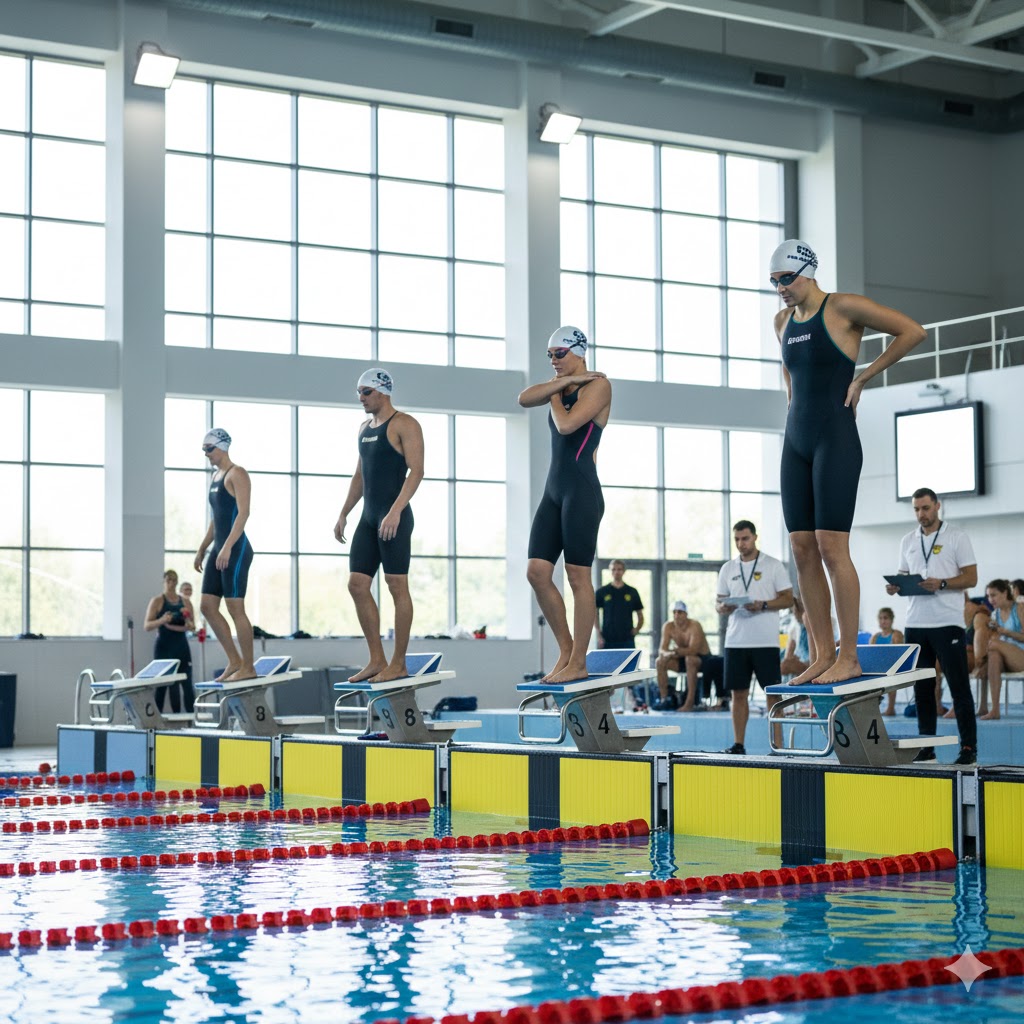
Inside the Life of a Professional Swimmer: Developing the Mindset for Peak Performance and Personal Wellness

Professional swimming may appear effortless from the outside, but the reality is far more demanding. Every stroke, every lap, and every training session requires a combination of physical endurance, mental focus, and emotional balance. Swimmers cultivate habits and mindsets that allow them to perform at their best, even under intense pressure. These lessons extend far beyond the pool, offering valuable insights for individuals navigating addiction recovery, mental health challenges, and personal growth.

The Discipline of Daily Practice

Professional swimmers follow structured daily routines that combine rigorous training, proper nutrition, and mental preparation. Consistency is not optional; it is essential for progress. Similarly, recovery from addiction relies on establishing a disciplined routine. Daily engagement in therapy, support groups, and self-care practices provides stability and reinforces commitment to personal wellness.

Building Structure for Sustainable Recovery

Consistency in daily habits creates a foundation for long-term healing. Just as swimmers track progress and adjust their training, individuals in recovery can benefit from structured schedules that include counseling, mindfulness exercises, and physical activity. This structured approach reduces uncertainty, builds confidence, and encourages steady growth.

Mental Focus and Emotional Resilience

Swimming at a professional level is as much a mental challenge as a physical one. Athletes must maintain concentration, manage stress, and recover from setbacks while staying motivated. In addiction recovery, mental focus and emotional resilience are equally critical. Learning to observe emotions without judgment, manage triggers, and respond thoughtfully helps individuals navigate challenges and sustain recovery.

Techniques for Strengthening the Mind

Swimmers often use visualization, goal setting, and mindfulness techniques to enhance performance. In recovery, similar strategies can be applied. Visualizing success, setting achievable milestones, and practicing self-reflection help individuals develop confidence and maintain motivation. These tools also support emotional regulation, reducing the likelihood of relapse and promoting overall well-being.

The Role of Support Systems

No swimmer achieves peak performance in isolation. Coaches, teammates, and mentors provide guidance, feedback, and accountability. Recovery mirrors this need for connection. Therapists, support groups, and family members create a network that nurtures growth and encourages consistent effort. Holistic and faith-based programs integrate emotional, spiritual, and physical support to address the whole person.

Holistic Approaches to Wellness

Professional swimmers often integrate strength training, nutrition, and mental conditioning into their routines. Recovery programs that include counseling, faith-based guidance, and wellness practices mirror this holistic approach. Addressing the mind, body, and spirit ensures that healing is comprehensive and sustainable, allowing individuals to build resilience and a balanced lifestyle.

Learning from Setbacks

Setbacks are an inevitable part of any journey. Professional swimmers experience fatigue, injuries, and missed goals, but they use these experiences to refine their skills and strengthen their mindset. Similarly, individuals in recovery may face challenges or temporary setbacks. The key is to view these moments as opportunities for learning and growth rather than failure.

Developing Persistence and Patience

The mindset of a professional swimmer emphasizes persistence, patience, and self-compassion. Recovery is not linear, and progress takes time. By adopting this perspective, individuals can maintain motivation, celebrate small victories, and build confidence in their ability to overcome obstacles.

Cultivating Peak Performance in Life and Recovery

The mindset of a professional swimmer demonstrates that peak performance requires discipline, focus, resilience, and support. These same principles are essential in addiction recovery and mental health treatment. By establishing structured routines, strengthening mental focus, and embracing holistic support, individuals can achieve lasting wellness and personal growth. If you or a loved one are seeking guidance, professional care and individualized support can be the first step toward building a healthier, more balanced life. Just as swimmers transform daily effort into excellence in the pool, you can transform consistent practice and support into meaningful recovery and long-term well-being.

Beyond the Finish Line: What Professional Swimmers Teach Us About Overcoming Setbacks and Staying Mentally Strong

Professional swimming looks effortless from the stands, but the reality is far more demanding. Behind every race are years of setbacks, missed goals, physical exhaustion, and mental pressure. Swimmers learn early that success is not defined by a single finish line. It is shaped by how they respond to disappointment, manage stress, and continue showing up when progress feels slow. These lessons offer powerful insight for individuals facing addiction recovery and mental health challenges, where resilience and emotional strength are essential for lasting healing.

Setbacks Are Part of Every Meaningful Journey

No professional swimmer avoids setbacks. Injuries, losses, and performance plateaus are common. What separates long term success from burnout is the ability to view setbacks as part of growth rather than as failure. In addiction recovery, setbacks can feel deeply discouraging. Relapse, emotional struggles, or moments of doubt do not erase progress. Instead, they highlight areas that need more support and care.

Reframing Setbacks with Compassion

Recovery requires self compassion. Swimmers learn to review a race without harsh self judgment, focusing instead on what can be improved. Individuals in recovery benefit from the same mindset. Therapy and counseling help reframe challenges as learning opportunities, allowing people to move forward with clarity rather than shame.

Mental Strength Is Built Through Daily Practice

Mental toughness is not something swimmers are born with. It is developed through consistent practice, discipline, and reflection. Training the mind is just as important as training the body. In recovery, mental strength is cultivated through ongoing treatment, emotional awareness, and healthy coping strategies.

Building Emotional Resilience in Recovery

Mental health treatment plays a critical role in addiction recovery. Anxiety, depression, and unresolved trauma often contribute to substance use. Addressing these challenges through individualized care helps strengthen emotional resilience. Over time, individuals learn how to tolerate discomfort, regulate emotions, and respond thoughtfully during stressful moments.

Focus on Progress, Not Perfection

Professional swimmers understand that perfection is unrealistic. Improvement happens gradually through repetition and patience. This perspective is essential for recovery. Healing is not linear. There will be days of progress and days of struggle. What matters most is continued effort and commitment to the process.

Setting Realistic and Meaningful Goals

Swimmers break large goals into smaller milestones, such as improving technique or endurance. In recovery, setting realistic goals helps maintain motivation and confidence. Whether it is attending therapy regularly, rebuilding relationships, or developing healthier routines, small wins add up to meaningful change.

The Importance of Support and Accountability

Behind every successful swimmer is a strong support system. Coaches, teammates, and mentors provide encouragement and accountability. Addiction recovery is no different. Healing thrives in connection. Inpatient and outpatient programs create structured environments where individuals feel supported and understood.

Holistic and Faith Based Support

Holistic approaches recognize that recovery involves more than stopping substance use. Mental, physical, and spiritual well being are deeply connected. Faith based support, when aligned with individual beliefs, can offer purpose, hope, and grounding during difficult moments. Combining clinical care with holistic practices creates a balanced and personalized path to healing.

Learning to Trust the Process

Swimmers spend countless hours training without immediate results. Trusting the process is essential. Recovery also requires patience and trust. Progress may not always be visible, but consistent participation in treatment builds a strong foundation for long term wellness.

Developing Confidence Through Commitment

Confidence grows through action. Each therapy session attended, each healthy decision made, reinforces self trust. Over time, individuals begin to see themselves not as defined by addiction, but as capable, resilient people moving toward a healthier future.

Moving Forward Beyond the Finish Line

Professional swimmers teach us that success is not defined by a single moment, but by perseverance through challenges. Overcoming setbacks and staying mentally strong requires patience, support, and self compassion. For those facing addiction or mental health struggles, help is available and recovery is possible. Reaching out for professional care can be the turning point that leads to lasting change. With individualized treatment, holistic support, and a commitment to growth, it is possible to move beyond setbacks and build a life grounded in strength, balance, and hope.

The Daily Grind of a Professional Swimmer: Building Consistency, Focus, and Emotional Balance

The life of a professional swimmer is built on daily commitment. Long before the applause, medals, or recognition, there are early mornings, repetitive laps, and constant mental discipline. This daily grind is not glamorous, but it is deeply formative. The habits swimmers develop in the pool offer meaningful lessons for anyone working toward emotional balance, mental clarity, and long term healing. For individuals navigating addiction recovery or mental health treatment, these lessons can feel especially relevant and empowering.

Consistency as the Foundation for Growth

Professional swimmers do not rely on motivation alone. They rely on consistency. Showing up every day, even when energy is low or progress feels slow, is what builds strength and endurance over time. Recovery from addiction follows a similar path. Healing does not happen overnight. It happens through consistent engagement in treatment, honest self reflection, and daily healthy choices.

Creating Structure That Supports Recovery

In recovery, structure provides safety and direction. Inpatient and outpatient programs offer scheduled therapy, group support, and wellness activities that help individuals regain stability. This mirrors the training schedule of a swimmer who depends on routine to stay grounded and focused. Consistency reduces chaos, builds trust in the process, and creates space for real change.

Focus in the Face of Distraction and Stress

Swimming requires intense focus. Each stroke demands attention to breathing, form, and timing. Distractions can lead to mistakes or setbacks. In daily life, especially during recovery, distractions and emotional stress can feel overwhelming. Learning how to focus the mind is a critical skill for both athletes and individuals seeking mental health support.

Strengthening Mental Focus Through Practice

Professional swimmers train their minds as much as their bodies. Techniques such as controlled breathing, mental rehearsal, and mindfulness help them stay present. In addiction recovery, similar practices can support emotional regulation and reduce impulsive reactions. Therapy, meditation, and faith based reflection help individuals develop awareness and clarity, allowing them to respond thoughtfully rather than react automatically.

Emotional Balance and Self Awareness

The emotional demands of competitive swimming are often overlooked. Pressure to perform, fear of failure, and physical exhaustion can take a toll. Swimmers who succeed long term learn how to listen to their emotions and respond with care. Emotional balance is equally important in recovery. Addressing underlying mental health concerns is a vital part of sustainable healing.

Healing the Whole Person

Holistic care recognizes that emotional health, physical health, and spiritual well being are connected. Addiction recovery programs that integrate counseling, mental health treatment, and spiritual support create space for deeper healing. This whole person approach helps individuals build resilience and develop healthier coping strategies that last beyond treatment.

The Role of Support and Accountability

No professional swimmer succeeds alone. Coaches provide guidance, teammates offer encouragement, and support systems keep athletes accountable. Recovery works the same way. Connection is essential. Individualized care plans, group therapy, and family involvement create a network of support that strengthens commitment and reduces isolation.

Learning to Ask for Help

One of the most powerful lessons from professional athletes is the willingness to seek help. Asking for guidance is not a weakness. It is a sign of strength and self respect. In recovery, reaching out for professional support can be the turning point that leads to lasting change.

Applying the Swimmer Mindset to Recovery

The daily grind of a professional swimmer teaches patience, humility, and perseverance. These qualities are just as valuable in addiction recovery and mental health treatment. Progress comes from steady effort, honest reflection, and compassion for oneself during setbacks.

Take the Next Step Toward Balance and Healing

The discipline of a professional swimmer reminds us that meaningful change is built one day at a time. Consistency, focus, and emotional balance are skills that can be learned and strengthened with the right support. If you or someone you love is struggling with addiction or mental health challenges, reaching out for help is a powerful first step. With compassionate care, individualized treatment, and a commitment to holistic healing, it is possible to build a healthier and more balanced life. The journey may be demanding, but you do not have to take it alone.

From Pool Laps to Life’s Challenges: How the Discipline of a Pro Swimmer Can Inspire Mental Well‑Being

Swimming professionally is more than mastering strokes and building endurance. It is a rigorous lifestyle built on discipline, focus, and resilience. Every lap in the pool demands physical effort and mental strength, teaching lessons that extend far beyond the pool deck. These lessons are surprisingly relevant for anyone navigating life’s challenges, particularly those facing addiction recovery or mental health struggles. By examining the habits and mindset of professional swimmers, we can uncover strategies to build mental well-being and cultivate resilience in our daily lives.

The Power of Routine and Consistency

Professional swimmers thrive on structure. Their days are carefully planned around training sessions, nutrition, rest, and mental preparation. This level of consistency strengthens both body and mind, creating habits that lead to long-term success. Similarly, individuals in recovery benefit from routines that provide stability. Attending therapy sessions, engaging in group support, and maintaining daily self-care are practical ways to create consistency. Just as swimmers trust their training to achieve results, those in recovery can rely on structured practices to build confidence and resilience.

Establishing Daily Habits for Recovery

Small, consistent actions can have a profound impact. For example, dedicating time each day to mindfulness, journaling, or reflection mirrors the intentional practice swimmers commit to every lap. These habits support mental clarity, reduce stress, and help individuals manage emotional triggers. Recovery is not a single event but a daily practice, much like the incremental progress seen in competitive swimming.

Mental Focus Under Pressure

Swimming competitively demands concentration. Athletes must push through fatigue, maintain technique, and manage anxiety during high-pressure races. This mental toughness is directly applicable to life outside the pool. In addiction recovery, challenges arise unexpectedly, and emotional regulation is key to preventing relapse. By developing focus and learning to navigate stress, individuals strengthen their capacity to respond thoughtfully rather than react impulsively.

Visualization and Goal Setting

Professional swimmers often use visualization techniques, imagining the perfect stroke, turn, or finish. This method enhances performance and builds confidence. In recovery, visualization can be a powerful tool to envision a healthier life, set attainable goals, and reinforce positive behaviors. Breaking large goals into manageable steps, much like training for a competition, creates measurable progress and encourages perseverance.

Support Systems Make the Difference

No swimmer reaches their potential alone. Coaches, teammates, and family provide guidance, accountability, and encouragement. Similarly, recovery thrives in a supportive environment. Therapists, peers, and loved ones create a network that fosters accountability and emotional safety. Holistic approaches that integrate counseling, faith-based guidance, and individualized care ensure that support addresses the whole person—mind, body, and spirit.

Integrating Holistic Practices

Swimmers often incorporate strength training, nutrition, and mindfulness into their routines to optimize performance. Recovery benefits from a similar holistic approach. Mindfulness exercises, physical activity, and spiritual practices can complement therapy, offering a comprehensive path to well-being. Addressing both physical and mental health builds resilience and promotes long-term recovery.

Lessons Beyond the Pool

The life of a professional swimmer demonstrates that persistence, focus, and self-care are essential for success. Individuals navigating addiction or mental health challenges can draw inspiration from these principles. Embracing routine, developing mental focus, and leaning on supportive networks provide a blueprint for cultivating stability and resilience.

Take the Next Step Toward Well-Being

The discipline of a professional swimmer offers more than athletic achievement—it provides practical lessons for navigating life’s challenges. If you or a loved one are seeking guidance for addiction recovery or mental health support, reaching out for professional help is a vital first step. Just as swimmers transform daily effort into peak performance, individuals in recovery can transform consistent action and support into lasting mental well-being. Begin today by building structure, cultivating focus, and embracing holistic care for a healthier, more balanced life.

What It Takes to Swim for a Living: Lessons in Resilience and Mental Strength from Professional Swimmers

Swimming at a professional level is far more than a sport. It is a daily commitment to discipline, focus, and mental strength. For those who pursue a career in swimming, the pool becomes both a sanctuary and a training ground, shaping not only their physical abilities but also their resilience and emotional well-being. The lessons learned in the water can extend far beyond competition and provide valuable insights for anyone facing life’s challenges, including those navigating addiction recovery or mental health journeys.

The Discipline Behind Every Stroke

Professional swimmers follow structured routines that leave little room for inconsistency. Early mornings, strict nutrition, and intense training schedules are part of their daily lives. This unwavering discipline translates directly to the mental and emotional resilience necessary in recovery from addiction. Like swimmers, individuals in treatment programs benefit from structure, consistency, and goal-setting, which can provide a stable foundation during times of uncertainty.

Routine as a Tool for Stability

Routine is a cornerstone of both swimming and recovery. Daily habits, such as attending counseling sessions, participating in group therapies, and engaging in self-care practices, reinforce commitment and help individuals navigate challenges with clarity. Professional swimmers exemplify how consistent effort, even on difficult days, can lead to remarkable results—a lesson that resonates deeply in addiction treatment.

Mental Strength and Focus

Swimming professionally requires more than physical endurance; it demands the ability to maintain focus under pressure. Athletes must manage stress, overcome setbacks, and stay motivated, even when results are not immediate. Similarly, recovery from addiction involves navigating emotional triggers, resisting cravings, and sustaining progress through difficult moments. Developing mental strength is essential in both arenas.

Visualization and Goal-Setting

Many professional swimmers use visualization techniques to enhance performance. Imagining success and focusing on incremental goals helps maintain motivation and improve outcomes. In addiction recovery, visualization can be equally powerful. Visualizing a healthier future and setting achievable milestones can strengthen resolve and support long-term success.

The Role of Support Systems

No professional swimmer achieves greatness in isolation. Coaches, teammates, and family play a critical role in guidance, encouragement, and accountability. Likewise, addiction recovery thrives on support networks. Therapists, counselors, peers, and loved ones provide essential reinforcement, offering both compassion and accountability. Building strong relationships can help individuals stay committed to their recovery goals, just as a swimmer relies on a team to reach peak performance.

Holistic Approaches for Mind and Body

Professional swimmers often integrate mental training, nutrition, and mindfulness practices into their routines to achieve optimal results. In addiction recovery, holistic approaches—such as counseling, faith-based guidance, meditation, and individualized treatment plans—support the mind, body, and spirit. Addressing the whole person enhances resilience and promotes sustainable healing.

Lessons from the Pool Applied to Recovery

The life of a professional swimmer demonstrates that success is built on patience, perseverance, and adaptability. Setbacks are part of the journey, but consistent effort and support make recovery and peak performance possible. Individuals facing addiction or mental health challenges can draw inspiration from these principles:

  • Embrace routine and structure to build stability.
  • Cultivate mental strength and focus to overcome challenges.
  • Lean on supportive relationships for guidance and accountability.
  • Apply holistic practices to nurture mind, body, and spirit.

Conclusion: Taking the Next Step

The dedication and resilience seen in professional swimmers can inspire anyone navigating the journey of addiction recovery or mental health challenges. Achieving lasting change requires commitment, support, and a focus on both mental and physical well-being. If you or a loved one are seeking guidance on recovery, reaching out for professional support can be the first step toward a healthier, more balanced life. Just as swimmers transform daily effort into extraordinary results, individuals in recovery can transform their lives through consistent action, support, and self-compassion.

Winning Isn’t Everything: Breaking the Silence on Swimmer Stress and Depression

At first glance, elite swimmers embody dedication, strength, and discipline. Their rigorous training schedules, early mornings, and countless laps in the pool are often celebrated as examples of perseverance and success. However, behind every medal and personal best, many swimmers face silent struggles. Anxiety, stress, and depression often accompany the pursuit of perfection, yet these mental health challenges frequently go unspoken.

At Hawaiian Pools Memphis, we understand that well-being goes beyond physical performance. Our holistic, faith-based, and individualized programs are designed to support mental health, address addiction, and help clients build resilience, balance, and emotional strength.


Understanding Mental Health Challenges in Swimming

Swimming is a sport of precision and endurance. Elite athletes spend hours perfecting every stroke, often under immense pressure from coaches, sponsors, and fans. While this drive leads to achievement, it can also create emotional strain.

Stress and Anxiety

The constant demand to improve can trigger chronic stress and performance anxiety. Swimmers may feel that every practice, race, and evaluation carries immense weight, leading to sleep difficulties, irritability, and fatigue. Over time, persistent stress can negatively affect both physical performance and overall mental health.

Depression and Emotional Isolation

The rigorous training schedules and sacrifices required in competitive swimming can result in emotional isolation. Social activities, family time, and personal hobbies may be reduced or eliminated. This isolation can increase the risk of depression and make it harder for athletes to reach out for support.


Healthy and Unhealthy Coping Mechanisms

To manage mental strain, some swimmers turn to healthy strategies such as mindfulness, structured rest, counseling, or peer support. These approaches help them regain perspective and maintain emotional balance.

However, some may resort to less healthy behaviors, including substance use, emotional suppression, or withdrawal from social support networks. These coping mechanisms may provide temporary relief but can worsen emotional challenges over time.

At Hawaiian Pools Memphis, we recognize the interconnectedness of mental health and addiction. Our programs address both aspects, helping clients develop safe, sustainable coping strategies while supporting long-term recovery and emotional well-being.


Holistic and Individualized Care

Inpatient and Outpatient Programs

Our inpatient programs provide structured, immersive care for those who need intensive support, while outpatient programs allow individuals to maintain daily responsibilities while receiving ongoing guidance. Both are tailored to meet the unique needs of each client.

Faith-Based and Personalized Approaches

We integrate faith-based support for those seeking spiritual guidance and combine it with personalized care plans that address individual challenges and goals. Every client receives treatment that considers their mind, body, and spirit.

Building Resilience and Balance

Through counseling, wellness practices, mindfulness, and group support, clients learn to manage stress, rebuild confidence, and develop healthy coping skills. These tools enable athletes and individuals to navigate pressure without sacrificing their emotional health.


Breaking the Silence

Mental health challenges in competitive swimming, or in any high-pressure environment, should not be ignored. Seeking help is not a sign of weakness but a courageous step toward lasting well-being.

At Hawaiian Pools Memphis, we provide a safe, supportive space for healing. Our holistic approach empowers clients to move beyond stress, depression, and burnout to live balanced, fulfilling lives.


Take the First Step Toward Healing

If you or a loved one are struggling with stress, anxiety, depression, or addiction, help is available. Reach out to Hawaiian Pools Memphis today to explore individualized programs designed to restore emotional balance, resilience, and overall wellness. Healing begins when you choose to prioritize your mental health and take the first step toward support.

Mental Health in Motion: Supporting Athletes Beyond the Pool

Competitive athletes often appear strong, disciplined, and unshakable. Swimmers, in particular, dedicate countless hours to training, perfecting their strokes, and chasing victory. While these accomplishments are celebrated publicly, the mental and emotional challenges that accompany high-performance athletics often remain invisible. Anxiety, stress, burnout, and even substance use are common struggles among athletes who feel pressure to perform at all costs.

At Hawaiian Pools Memphis, we understand that true wellness extends beyond physical achievement. Our holistic, faith-based, and individualized programs focus on supporting mental health, addiction recovery, and emotional resilience, helping athletes and individuals find balance both in and out of the pool.


The Hidden Mental Strain of Athletic Life

Life as a professional athlete is rewarding, yet demanding. Hours of daily training, strict nutritional guidelines, and the constant scrutiny of coaches, sponsors, and fans can create a high-pressure environment. Over time, this pressure can lead to mental fatigue and emotional distress.

Anxiety and Stress in Competitive Swimming

Elite swimmers often tie their self-worth to performance outcomes. Even small mistakes or missed personal records can trigger intense anxiety, self-doubt, and fear of failure. Persistent stress affects sleep, focus, and overall well-being, which may reduce performance and further compound feelings of inadequacy.

Isolation and Emotional Burnout

Long hours in the pool and limited social time can lead to isolation. Athletes may feel disconnected from friends, family, and support systems. This emotional withdrawal can exacerbate stress and increase the risk of burnout, leaving athletes vulnerable to unhealthy coping mechanisms.


Coping Mechanisms: Healthy vs. Harmful

Many athletes adopt strategies to manage the pressures of competition. Mindfulness, structured rest, journaling, and counseling are effective methods for maintaining mental health. However, some may resort to harmful behaviors such as social withdrawal, overeating, or substance use.

At Hawaiian Pools Memphis, we recognize that mental health struggles and addiction are often linked. Treating one without addressing the other may leave individuals at risk for relapse or continued emotional distress. Our programs provide integrated support to help clients develop sustainable, healthy coping strategies.


Holistic Approaches to Support

Inpatient and Outpatient Programs

Our inpatient programs offer immersive, structured care for those who need intensive support. Outpatient programs provide flexibility for individuals to continue daily responsibilities while receiving consistent guidance. Both programs are tailored to meet unique needs and ensure long-term emotional well-being.

Faith-Based and Individualized Care

We combine faith-based support with personalized treatment plans that address each individual’s specific mental, emotional, and spiritual needs. Every client receives a program designed to support recovery, resilience, and personal growth.

Mind, Body, and Spirit Integration

Healing goes beyond addressing symptoms. Through counseling, wellness practices, mindfulness, and community support, clients strengthen emotional resilience, rebuild confidence, and rediscover joy. Our approach equips athletes to manage stress and maintain balance beyond the pool.


Embracing Mental Wellness

Athletic achievement is important, but it should never come at the cost of mental health. True strength comes from acknowledging emotional challenges, seeking support, and learning to prioritize well-being.

At Hawaiian Pools Memphis, we provide a safe, compassionate space for athletes and individuals to heal. Our team helps clients move beyond stress, anxiety, and burnout to achieve lasting balance and fulfillment in all areas of life.


Take the First Step

If you or a loved one are struggling with stress, burnout, anxiety, or addiction, help is available. Reach out to Hawaiian Pools Memphis today to explore individualized programs that support mind, body, and spirit. Healing begins when you take the first step toward balance, resilience, and well-being.

The Cost of Perfection: Why Top Swimmers Face Burnout and Breakdown

At first glance, elite swimmers embody strength, focus, and determination. Their achievements are celebrated with medals, accolades, and records that inspire admiration. Yet behind every victory, many top swimmers experience a hidden struggle: the relentless pursuit of perfection. The pressure to perform consistently at peak levels can take a serious toll on mental health, sometimes leading to burnout, anxiety, depression, and even substance use.

At Hawaiian Pools Memphis, we understand that real wellness involves mind, body, and spirit. Our holistic, faith-based, and individualized programs provide compassionate support for mental health challenges, addiction recovery, and overall emotional resilience.


Understanding Burnout in Competitive Swimming

Elite swimmers face unique pressures. Daily training sessions, strict diets, and the constant demand for improvement create an environment where mistakes feel unacceptable. Over time, this intensity can overwhelm even the most disciplined athletes.

Physical and Mental Fatigue

Burnout often manifests as both physical exhaustion and mental strain. Athletes may feel perpetually tired, unable to focus, and disconnected from their sport. Mental fatigue can result in irritability, anxiety, and loss of motivation, while physical overexertion increases the risk of injuries that further compound stress.

The Emotional Toll of Perfectionism

Perfectionism drives many swimmers to achieve greatness, but it also fosters self-criticism and fear of failure. Missing a goal or underperforming can trigger feelings of worthlessness or inadequacy. Over time, this emotional strain can erode confidence, making it difficult to enjoy success or maintain healthy relationships.


The Risk of Unhealthy Coping Mechanisms

Some swimmers turn to unhealthy behaviors to manage stress, such as social withdrawal, overeating, or substance use. Just as in addiction, these coping strategies provide temporary relief but ultimately worsen mental and physical health.

At Hawaiian Pools Memphis, we recognize the close relationship between mental health and addiction. Our programs address both simultaneously, helping clients develop safe, effective coping strategies while healing the root causes of emotional and behavioral struggles.


Holistic Approaches to Recovery

Inpatient and Outpatient Programs

Our inpatient programs offer structured, immersive support for individuals needing intensive care, while outpatient programs allow clients to maintain daily responsibilities while receiving ongoing guidance. Both are designed to meet the unique needs of each client.

Faith-Based and Individualized Care

We integrate faith-based principles for those seeking spiritual support and combine this with personalized treatment plans tailored to each individual’s circumstances. This approach ensures every client receives care that addresses their mind, body, and spirit.

Rebuilding Balance and Resilience

Recovery goes beyond symptom management. Our programs incorporate counseling, wellness practices, mindfulness, and community support to help clients restore emotional balance, rebuild self-esteem, and develop lasting resilience. Clients learn to redefine success not by perfection, but by emotional well-being and personal growth.


Moving Beyond the Pressure

True strength is not just measured by records or medals but by the ability to maintain mental and emotional health while pursuing goals. Recognizing when the cost of perfection becomes harmful is the first step toward healing.

At Hawaiian Pools Memphis, we provide a safe and compassionate environment where individuals can heal, rebuild, and thrive. By addressing the underlying mental health and behavioral challenges, we help clients reclaim purpose and joy in life beyond competition.


Take the First Step Toward Healing

If you or a loved one are struggling with burnout, anxiety, depression, or substance use, you do not have to face it alone. Reach out to Hawaiian Pools Memphis today. Our individualized, holistic programs provide the support and guidance needed to restore balance, resilience, and well-being. Healing begins when you take the first courageous step toward yourself.