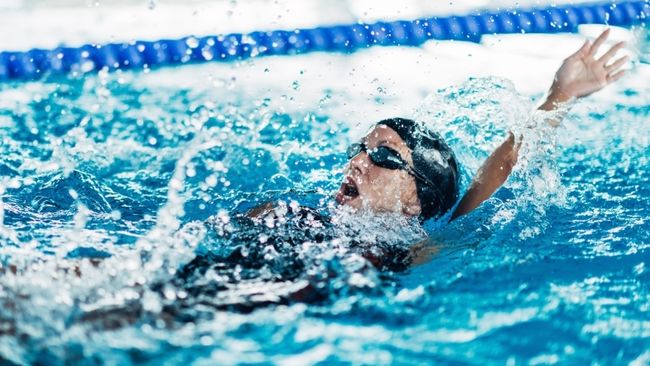
Professional swimmers are often admired for their physical endurance and competitive success, but the true foundation of their performance lies beneath the surface. Behind every early morning workout and every race is a mindset built on routine, discipline, and mental toughness. These athletes learn how to stay focused under pressure, recover after setbacks, and remain committed to long-term goals even when progress feels slow.
These same qualities are deeply connected to addiction recovery and mental health treatment. Lasting wellness is rarely achieved through quick fixes. It is built through consistent habits, emotional resilience, and supportive care. For individuals navigating recovery, the mindset of a professional swimmer offers valuable lessons in how daily structure and mental strength can support healing and personal growth.
Routine Creates Stability and Purpose
Professional swimmers follow carefully structured routines every day. Their schedules include training sessions, nutrition, recovery periods, and mental preparation. This consistency allows them to stay focused and continue improving over time.
In recovery, routine serves a similar purpose. Many individuals struggling with addiction or mental health challenges experience instability in their daily lives. Rebuilding structure helps restore balance and creates a stronger sense of purpose.
Why Daily Structure Matters in Recovery
Structured routines can support recovery by helping individuals:
- Reduce stress caused by unpredictability
- Improve emotional regulation
- Build healthier habits over time
- Stay engaged in treatment and self-care
Inpatient and outpatient programs often emphasize routine because consistency creates a stable environment for healing. Attending therapy sessions regularly, participating in group support, and maintaining healthy sleep and nutrition habits all contribute to long-term wellness.
Mental Toughness Is Built Through Repetition
Professional swimmers do not develop mental toughness overnight. It is built through repetition, discipline, and the ability to keep going through difficult moments. Athletes train themselves to remain focused during intense pressure and to recover mentally after disappointment.
Recovery requires the same type of mental strength. Emotional triggers, cravings, anxiety, and setbacks can challenge progress. Learning how to respond to these moments in a healthy and balanced way is an important part of healing.
Building Emotional Resilience Through Healthy Practices
Mental toughness in recovery often develops through small daily actions, such as:
- Practicing mindfulness and stress management techniques
- Setting realistic short-term goals
- Replacing negative thought patterns with healthier perspectives
- Staying connected to supportive people and recovery communities
Over time, these habits strengthen emotional resilience and improve self-confidence.
Focus and Self Awareness Support Long-Term Healing
One of the most important skills professional swimmers develop is focus. During training and competition, distractions can affect performance. Swimmers learn how to remain present and direct their attention toward what matters most.
In addiction recovery and mental health treatment, focus and self-awareness are equally important. Individuals often benefit from learning how to identify emotional triggers, recognize harmful patterns, and make intentional choices instead of reacting impulsively.
Mindfulness and Reflection in Recovery
Many holistic treatment programs incorporate mindfulness practices because they help individuals:
- Stay grounded during stressful situations
- Increase awareness of emotions and behaviors
- Reduce anxiety and emotional overwhelm
- Strengthen coping skills and emotional control
Faith-based and holistic approaches may also encourage reflection, gratitude, and spiritual connection, which can provide additional support during recovery.
Support Systems Strengthen Mental Wellness
No professional swimmer succeeds alone. Coaches, teammates, trainers, and mentors all contribute to an athlete’s growth and accountability. Support systems provide encouragement during difficult moments and help athletes stay committed to their goals.
Recovery also becomes more sustainable when individuals are surrounded by compassionate support.
The Role of Individualized Care in Recovery
Effective addiction recovery and mental health treatment often include:
- Individual counseling for personalized support
- Group therapy for connection and shared understanding
- Family involvement when appropriate
- Holistic therapies that support emotional and spiritual wellness
Individualized treatment recognizes that every person’s recovery journey is unique. By addressing the whole person rather than only the symptoms of addiction, long-term healing becomes more achievable.
Progress Happens One Day at a Time
Professional swimmers understand that improvement comes from consistent effort. They do not expect instant results. Instead, they trust the process and continue showing up every day.
Recovery follows the same path. Healing takes patience, commitment, and self-compassion. Small steps forward eventually create lasting transformation.
Celebrating Small Wins Along the Way
In recovery, progress can include:
- Attending therapy consistently
- Managing stress in healthier ways
- Rebuilding relationships
- Developing confidence and emotional stability
Recognizing these victories helps reinforce motivation and encourages continued growth.
Conclusion: Turning Daily Discipline Into Lasting Wellness
Inside the mind of a professional swimmer is a powerful lesson about resilience, routine, and emotional strength. Lasting wellness is not built through perfection. It is built through daily effort, healthy support systems, and the willingness to keep moving forward even during difficult seasons.
For individuals seeking addiction recovery or mental health treatment, these lessons offer hope and direction. With compassionate care, individualized support, and a holistic approach to healing, recovery becomes a journey of growth rather than a struggle faced alone.
Like swimmers returning to the pool each day, healing begins by taking one consistent step at a time.