To the public, elite swimmers appear disciplined, confident, and unstoppable. Medals, records, and accolades showcase their hard work and dedication. Yet behind the curtain of competition, many athletes wrestle with silent psychological battles that are rarely discussed. The relentless pressure to perform, the fear of failure, and the demand for perfection can take a serious toll on mental health. For some, these challenges may even lead to unhealthy coping mechanisms or substance use.
At Hawaiian Pools Memphis, we recognize that emotional well-being is as critical as physical performance. Our holistic, faith-based, and individualized programs provide compassionate care for mental health, addiction recovery, and overall wellness, helping clients regain balance and resilience.
Understanding the Pressure
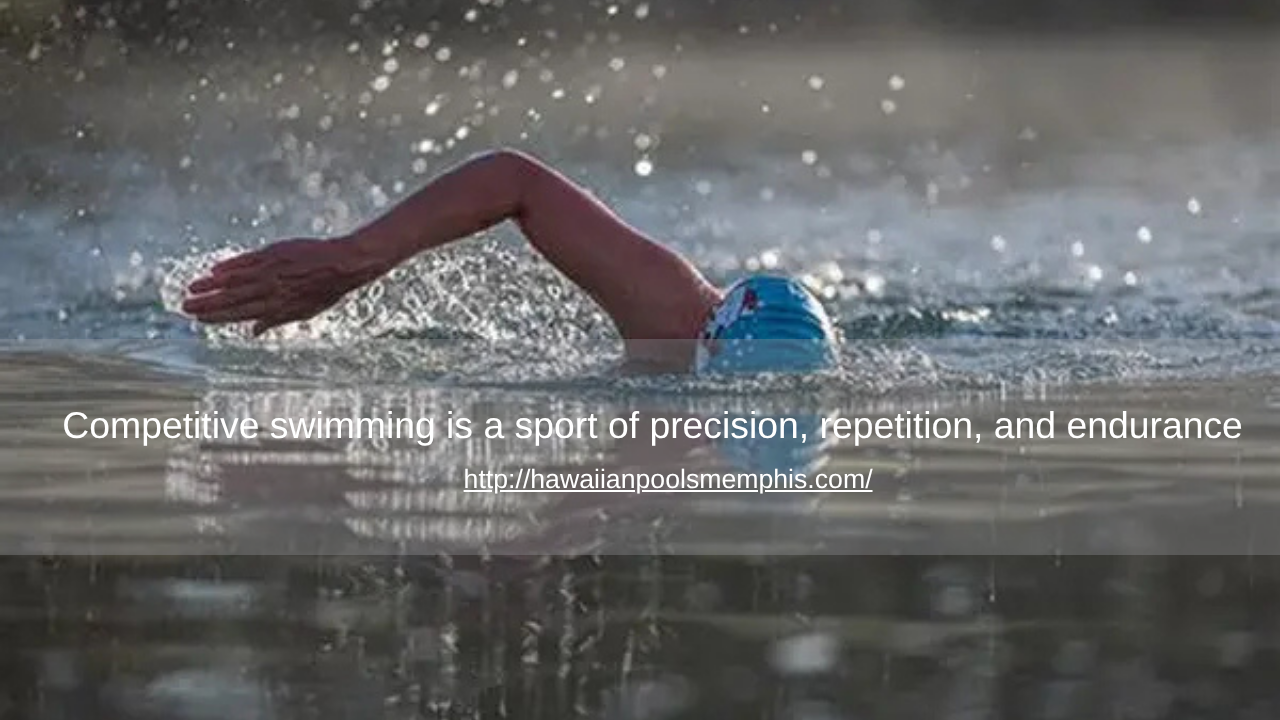
Competitive swimming is a sport of precision, repetition, and endurance. Athletes spend hours in the pool, honing technique, increasing speed, and striving for perfection. While this discipline is essential for success, it can also generate intense stress and anxiety.
The Mental Toll of Competition
Swimmers often tie their self-worth to their results. Even small mistakes or missed goals can trigger feelings of inadequacy and self-doubt. The constant expectation to win and perform perfectly fosters a culture of internal pressure that can be difficult to manage alone. Over time, this mental strain may manifest as burnout, depression, or anxiety.
The Silent Struggle
Many athletes feel compelled to hide their emotional struggles to maintain an image of strength. This silence can exacerbate stress, creating a cycle where emotional exhaustion accumulates alongside physical fatigue. Isolation, sleep disturbances, and persistent worry are common signs that a swimmer is struggling beneath the surface.
Coping Strategies and Risks
To manage stress, some swimmers adopt healthy coping strategies such as mindfulness, exercise, or journaling. However, others may turn to less constructive habits, including substance use or social withdrawal. These behaviors can temporarily relieve pressure but ultimately compound mental and physical health challenges.
At Hawaiian Pools Memphis, we understand the connection between addiction and mental health. Addressing one without the other can leave individuals vulnerable to relapse and continued emotional distress. Our programs are designed to provide support for both mental health struggles and addiction, ensuring comprehensive care.
Holistic and Individualized Support
Inpatient and Outpatient Programs
We offer flexible treatment options to meet each client’s needs. Inpatient care provides structured, immersive support for intensive recovery, while outpatient programs allow individuals to continue daily responsibilities while receiving consistent guidance.
Faith-Based and Personalized Care
Our programs integrate faith-based support for those who desire spiritual guidance, combined with individualized care plans that address unique challenges and goals. Each client receives a plan tailored to their mental, emotional, and spiritual needs.
Mind, Body, and Spirit Integration
Recovery involves more than symptom management. Holistic therapies such as counseling, wellness practices, and mindfulness techniques restore balance to mind, body, and spirit. Clients develop healthy coping mechanisms, rebuild self-esteem, and cultivate resilience for life both in and out of the pool.
Taking the First Step
Elite swimmers often push themselves to the limit, but emotional health is just as important as physical performance. If you or a loved one are struggling with stress, anxiety, burnout, or addiction, help is available.
At Hawaiian Pools Memphis, we provide a compassionate, professional, and individualized approach to healing. Contact us today to begin your journey toward recovery, balance, and a life where emotional well-being is valued as much as achievement. True strength lies in asking for help and investing in yourself.