Swimming Through Shadows: The Mental Toll of Chasing Gold

At first glance, professional swimmers appear to embody resilience and strength. They glide across the water with power and grace, celebrated for their dedication and discipline. Yet behind every medal and record-breaking performance is a less visible reality. The constant pursuit of victory, the pressure of expectations, and the emotional weight of competition can take a serious toll on mental health. For some, these struggles even lead to unhealthy coping mechanisms, including substance use.

At Hawaiian Pools Memphis, we understand that success can carry hidden burdens. Just as athletes train their bodies, they must also care for their minds and spirits. Our programs are designed to help individuals facing addiction and mental health challenges find healing, balance, and renewed hope.

The Pressure Behind Performance

Elite swimmers often begin training before sunrise and dedicate countless hours each week to improving speed and endurance. While the physical demands are clear, the emotional pressures are often overlooked. The constant need to perform at peak levels, maintain an image of strength, and meet the expectations of coaches, family, and fans can leave swimmers feeling drained and isolated.

This kind of pressure does not disappear when the race ends. Over time, it can build into anxiety, depression, or burnout. When athletes tie their self-worth to their performance, a single loss or injury can feel devastating.

The Link Between Mental Health and Addiction

When stress and emotional exhaustion go unaddressed, many athletes search for ways to cope. Unfortunately, some turn to substances as a way to escape the pressure or mask emotional pain. What begins as a temporary release can quickly spiral into dependency, leaving swimmers battling an invisible fight long after leaving the pool.

At Hawaiian Pools Memphis, we know that addiction and mental health challenges are deeply connected. Treating one without addressing the other often leaves individuals vulnerable to relapse. That is why our approach focuses on healing the whole person.

A Holistic Path to Recovery

Inpatient and Outpatient Options

We offer both inpatient and outpatient care because recovery looks different for everyone. Inpatient programs provide structure, accountability, and intensive support, while outpatient care allows individuals to continue managing work, family, or school while receiving treatment.

Faith-Based and Individualized Care

For those who draw strength from their faith, we offer faith-based programs that bring spiritual renewal alongside clinical treatment. Each client receives a personalized care plan, tailored to their unique challenges, goals, and strengths.

Healing Mind, Body, and Spirit

Our holistic model includes therapy, wellness practices, and emotional support that go beyond surface-level treatment. We help individuals develop coping strategies, build resilience, and rediscover purpose outside of their sport or struggles.

Breaking Free From Silent Struggles

The stigma surrounding mental health and addiction often prevents athletes from seeking help. Many fear being seen as weak or letting others down. Yet the bravest step a swimmer—or anyone—can take is reaching out for support. Recovery is not about giving up. It is about reclaiming life and finding strength in new, healthier ways.

Take the First Step Today

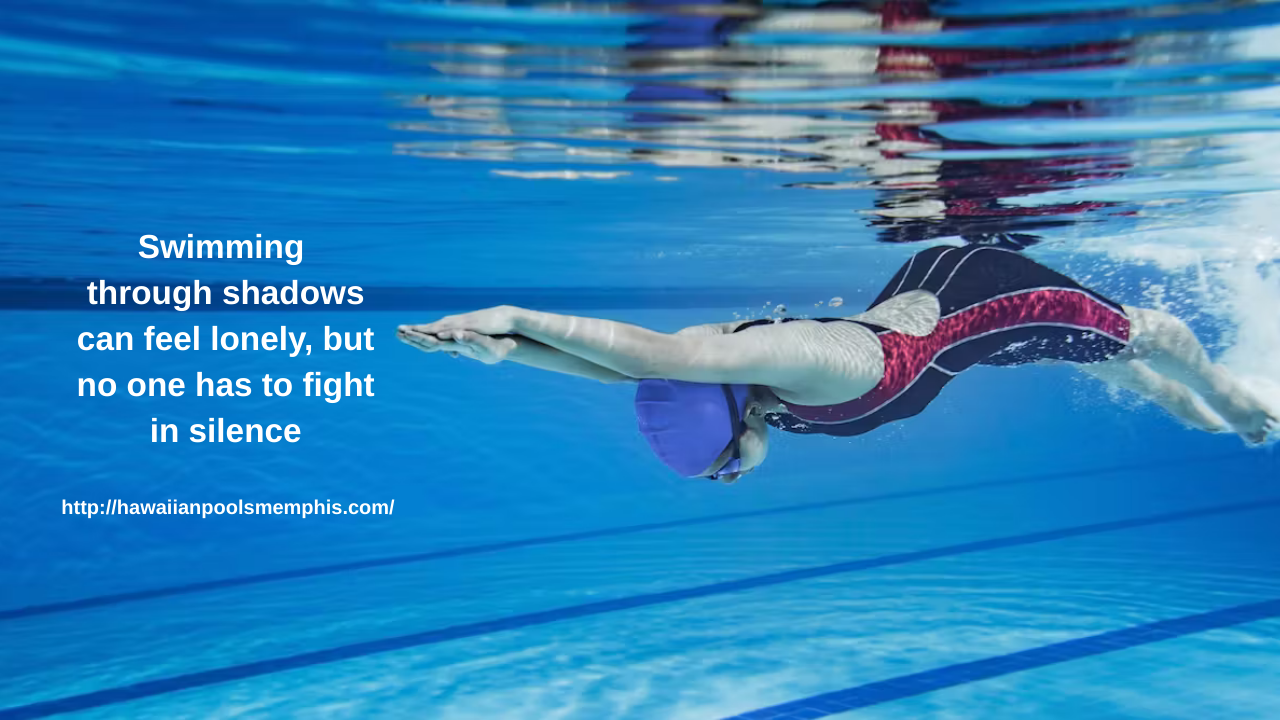
Swimming through shadows can feel lonely, but no one has to fight in silence. If you or someone you love is struggling with addiction, mental health challenges, or the weight of overwhelming expectations, Hawaiian Pools Memphis is here to help.

Our compassionate team is ready to walk with you on the journey to healing, offering personalized care that restores balance and hope. Reach out today and take the first step toward recovery.
Smiling on the Podium, Hurting Inside: The Hidden Side of Swimming Success

To the outside world, professional swimmers seem to embody strength, discipline, and joy. They stand on podiums with medals around their necks, smiling as crowds cheer their victories. What we often do not see, however, is the hidden pain that lingers beneath the surface. Behind the glory of success, many athletes face overwhelming emotional struggles, unspoken mental health battles, and even substance use as a way to cope with the weight of constant performance.

At Hawaiian Pools Memphis, we recognize that true healing is about more than overcoming visible challenges. It is about addressing the invisible burdens that individuals carry and offering a path to lasting recovery.

The Pressure Behind the Podium

Elite swimmers dedicate countless hours to training, sacrificing sleep, social life, and personal freedom to chase perfection. While their achievements are inspiring, the emotional cost can be staggering. The pressure to perform at the highest level, maintain peak physical condition, and meet public expectations often leaves little room for rest or balance.

Many athletes internalize these demands, leading to anxiety, depression, or feelings of isolation. Some turn to substances to numb emotional pain or escape relentless stress. Over time, what began as a passion can become an emotional burden that feels impossible to share.

Understanding the Connection Between Mental Health and Addiction

When the mind and body are pushed to extremes, cracks begin to appear. Mental health challenges and addiction often go hand in hand, particularly in high-pressure environments like professional sports. At Hawaiian Pools Memphis, we understand this connection and treat both the physical and emotional aspects of recovery.

By addressing the root causes of distress, whether that is trauma, burnout, or unresolved personal struggles, individuals can find healing that extends far beyond temporary relief.

Holistic and Faith-Based Approaches to Recovery

True recovery is not one-size-fits-all. Every swimmer, and every person, has a unique story. That is why we provide individualized care that takes the whole person into account.

Inpatient and Outpatient Care

We offer both inpatient treatment, where clients can immerse themselves in a supportive environment, and outpatient programs that provide flexibility for those balancing daily responsibilities.

Mind, Body, and Spirit

Our holistic approach integrates therapy, wellness practices, and faith-based guidance for those who seek it. Healing is not only about stopping harmful behaviors but also about rediscovering identity, building resilience, and creating new paths forward.

Breaking the Silence

One of the most difficult challenges for athletes and anyone struggling with addiction or mental health issues is breaking the silence. The culture of toughness often discourages vulnerability, yet speaking up is one of the bravest and most powerful steps a person can take.

At Hawaiian Pools Memphis, we walk alongside clients as they share their stories, rebuild their strength, and find hope for a healthier future.

Taking the Next Step Toward Healing

Smiling on the podium does not always mean someone is free from pain. If you or a loved one is struggling with addiction, mental health challenges, or the pressure of expectations, you do not have to face it alone.

Our compassionate and professional team is here to guide you toward recovery with personalized care that values your whole self. Reach out today and take the first step toward healing, balance, and a life filled with genuine joy.

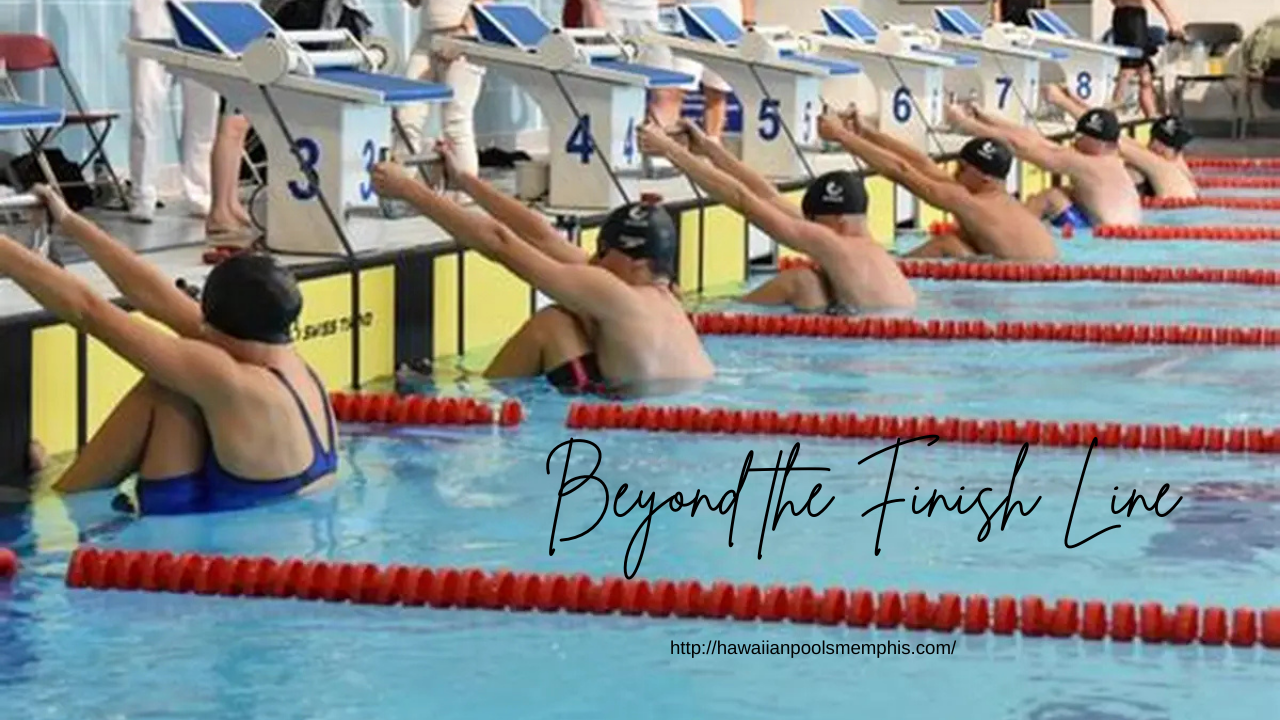
Beyond the Finish Line: The Invisible Burdens of Pro Swimmers

The world sees professional swimmers as the picture of discipline, endurance, and triumph. Their strength, speed, and determination inspire millions. Yet what happens beyond the finish line often tells a very different story. Behind the podium smiles are silent battles with stress, anxiety, depression, and even substance use as athletes cope with the pressure of constant performance. At Hawaiian Pools Memphis, we understand that the toll of high achievement can extend far beyond the sport itself, and that healing requires more than physical recovery. It demands care for the whole person.

The Hidden Struggles of Elite Athletes

For many professional swimmers, life revolves around strict training schedules, intense competition, and relentless self-discipline. The pressure to win is constant. While these qualities can lead to incredible athletic achievements, they can also result in emotional exhaustion, burnout, and unhealthy coping mechanisms. Athletes may turn to substances to escape stress, or they may isolate themselves in silence, feeling unable to share their struggles.

This is why mental health care for athletes is so essential. Addiction and emotional distress do not discriminate. Even those who seem the strongest can find themselves facing invisible burdens that are just as challenging as any race.

Understanding the Mind-Body Connection

At Hawaiian Pools Memphis, we recognize the deep connection between mental and physical health. For athletes, the body is the tool of their craft, but without mental balance, physical performance suffers. Long-term stress, unresolved trauma, or untreated addiction can lead to declining health, loss of motivation, and strained relationships.

Our approach is holistic, meaning we address the whole person. Through faith-based guidance, evidence-based therapies, and personalized care plans, we help clients rebuild their lives with strength that lasts far beyond the competitive arena.

Comprehensive Treatment Tailored to the Individual

Every athlete’s journey is unique, which is why we provide individualized treatment options. We offer both inpatient and outpatient care to meet different needs. Inpatient programs provide a structured environment for deep healing, while outpatient care allows individuals to continue training, working, or studying while receiving support.

Our services include addiction recovery programs, mental health counseling, and wellness therapies that focus on long-term resilience. Whether a swimmer is dealing with the aftermath of injury, the pressure of competition, or the challenge of sobriety, our team offers compassionate guidance every step of the way.

Building a Life Beyond the Pool

True recovery is about more than ending substance use or managing mental health symptoms. It is about creating a fulfilling, balanced life. For many professional swimmers, this means learning new coping skills, redefining personal goals, and finding joy outside of competition.

We encourage clients to embrace practices that nurture the body, mind, and spirit. From mindfulness exercises to faith-based support groups, we help individuals rediscover their identity beyond their sport.

Take the First Step Toward Healing

The journey to wellness does not begin on the starting block. It begins with the courage to reach out for help. If you or someone you love is a professional athlete struggling with addiction, mental health challenges, or the overwhelming pressure of competition, Hawaiian Pools Memphis is here to help. Our compassionate, expert team is ready to walk with you toward a healthier, more balanced future.

Contact us today to learn more about our programs and start building a life that thrives beyond the finish line.

Drowning in Expectations: The Emotional Cost of Elite Swimming

Elite swimming is often portrayed as a world of triumph, record-breaking speed, and personal victory. The precision, power, and beauty of the sport captivate audiences worldwide. But beyond the applause and medals lies a deeper, more complex story — one of overwhelming pressure, emotional exhaustion, and the constant weight of expectation that many swimmers silently carry.

For most elite swimmers, the pressure begins early. Many start competing at a young age, quickly immersed in a demanding world of early morning practices, strict routines, and relentless competition. As they progress through the ranks, the stakes grow higher. Coaches, parents, peers, sponsors, and fans all begin to expect results. Success becomes the standard, and anything less can feel like failure.

The emotional toll of this pressure can be immense. When a swimmer’s identity becomes wrapped up in performance, every race carries more than just the possibility of victory or defeat — it carries the burden of proving self-worth. Missing a personal best time, failing to qualify for a final, or slipping off the podium doesn’t just sting — it can unravel a swimmer’s confidence, leaving them feeling lost and inadequate.

What makes the emotional struggle even more isolating is the culture that surrounds the sport. Swimming, like many elite athletic disciplines, often champions mental toughness above all else. Pushing through pain is expected. Voicing fear, anxiety, or sadness can be perceived as weakness. As a result, many swimmers bottle up their feelings, putting on a brave face while silently battling stress, burnout, and depression.

The fear of disappointing others — teammates, coaches, family, or an entire nation — only adds to the internal pressure. Elite athletes often become role models, their successes held up as symbols of hard work and dedication. But behind the scenes, many are struggling just to stay afloat emotionally. The constant pursuit of perfection, combined with public scrutiny and limited personal downtime, can erode even the most resilient minds.

Fortunately, in recent years, some brave swimmers have stepped forward to share their truths. Olympic champions like Simone Manuel and Michael Phelps have opened up about their experiences with anxiety, depression, and burnout. Their honesty has not only broken stigmas but also reminded the world that even the strongest athletes are human.

Still, more change is needed. Coaches, institutions, and athletic organizations must prioritize emotional wellness alongside physical performance. Mental health professionals should be as common as strength trainers on swim teams. Athletes should be empowered to speak out without fear of judgment or career consequences.

Swimming is a sport that demands incredible discipline and resilience. But no athlete should have to choose between success and mental well-being. The expectations placed on elite swimmers should be balanced with compassion, understanding, and support.

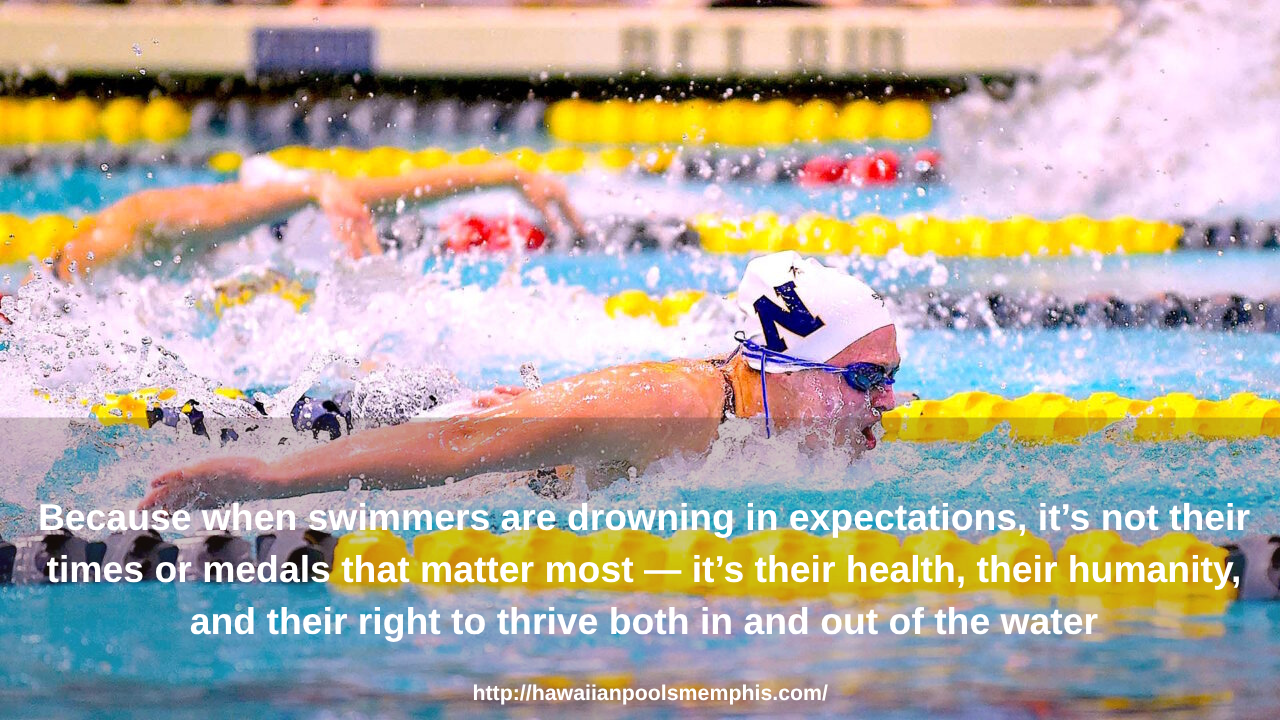
Because when swimmers are drowning in expectations, it’s not their times or medals that matter most — it’s their health, their humanity, and their right to thrive both in and out of the water.

The Silent Stroke: Mental Health Battles in Competitive Swimming

Competitive swimming is often celebrated as a sport of discipline, power, and grace. Spectators watch in awe as athletes slice through the water, chasing personal bests and world records. But beneath the surface of this physically demanding sport lies a quieter, often unseen struggle — the battle for mental health. For many swimmers, the most challenging strokes are not the ones in the pool but the silent ones they take to cope with stress, anxiety, and emotional exhaustion.

Swimming is unique in its solitude. Unlike team sports where athletes share the pressure in real-time, swimmers spend hours alone in the water, repeating lap after lap with little distraction from their own thoughts. This solitude can be meditative for some, but for others, it amplifies internal struggles. Thoughts of failure, self-doubt, and fear of disappointing others can echo loudly beneath the surface, leading to emotional fatigue that’s harder to spot than physical injuries.

From a young age, competitive swimmers are conditioned to strive for perfection. Early mornings, strict diets, grueling practice schedules, and constant competition become the norm. While this dedication breeds champions, it can also create a culture where self-worth is tied directly to performance. A swimmer who misses a qualifying time or loses a race may not just feel disappointed—they may feel like they’ve failed as a person.

This pressure can lead to serious mental health challenges, including anxiety, depression, and burnout. Many swimmers suffer in silence, afraid to speak up for fear of being seen as weak or uncommitted. The culture of toughness in sports often discourages vulnerability, leaving athletes to battle emotional struggles alone. Over time, this silence can lead to isolation, withdrawal, and even thoughts of quitting the sport altogether.

High-profile swimmers have recently begun to shed light on these hidden struggles. Olympic legends like Michael Phelps and Allison Schmitt have openly discussed their experiences with depression and suicidal thoughts, breaking the stigma surrounding mental health in swimming. Their courage has encouraged others to seek help and speak out, sparking much-needed conversations within the swimming community.

Coaches and organizations are slowly starting to prioritize mental health, incorporating sports psychologists into training teams and encouraging open dialogue about emotional well-being. But more work remains. Swimmers need access to mental health resources just as much as they need physical recovery tools. Programs that teach coping strategies, stress management, and emotional resilience are essential to creating a healthier, more balanced approach to competitive swimming.

At its core, swimming is about endurance, both physically and mentally. Recognizing the mental health battles that swimmers face is not a sign of weakness but a step toward true athletic excellence. Athletes should not have to choose between success and well-being.

The silent stroke may not make headlines or break records, but it’s one of the most important battles in the life of a swimmer. By bringing these struggles to the surface, we can create a sport where swimmers are supported in both mind and body — and where no one has to fight alone.

Gold or Bust: The Untold Physical and Psychological Demands of Pro Swimming

To the outside world, professional swimming looks like a sport of elegance, strength, and triumph. Fans see the powerful strokes, explosive dives, and record-shattering finishes. They witness the glory of gold medals and the emotional national anthems. But what often goes unseen is the relentless pressure and sacrifice beneath the surface — the physical punishment and psychological toll endured by swimmers chasing perfection.

The phrase “gold or bust” is more than a mindset; it’s a way of life for many elite swimmers. From a young age, athletes are conditioned to believe that anything short of first place isn’t enough. The journey to the top is paved with early mornings, long hours in the water, strict diets, and an unyielding schedule that leaves little room for rest or recovery. While these sacrifices may lead to the podium, they also come with consequences.

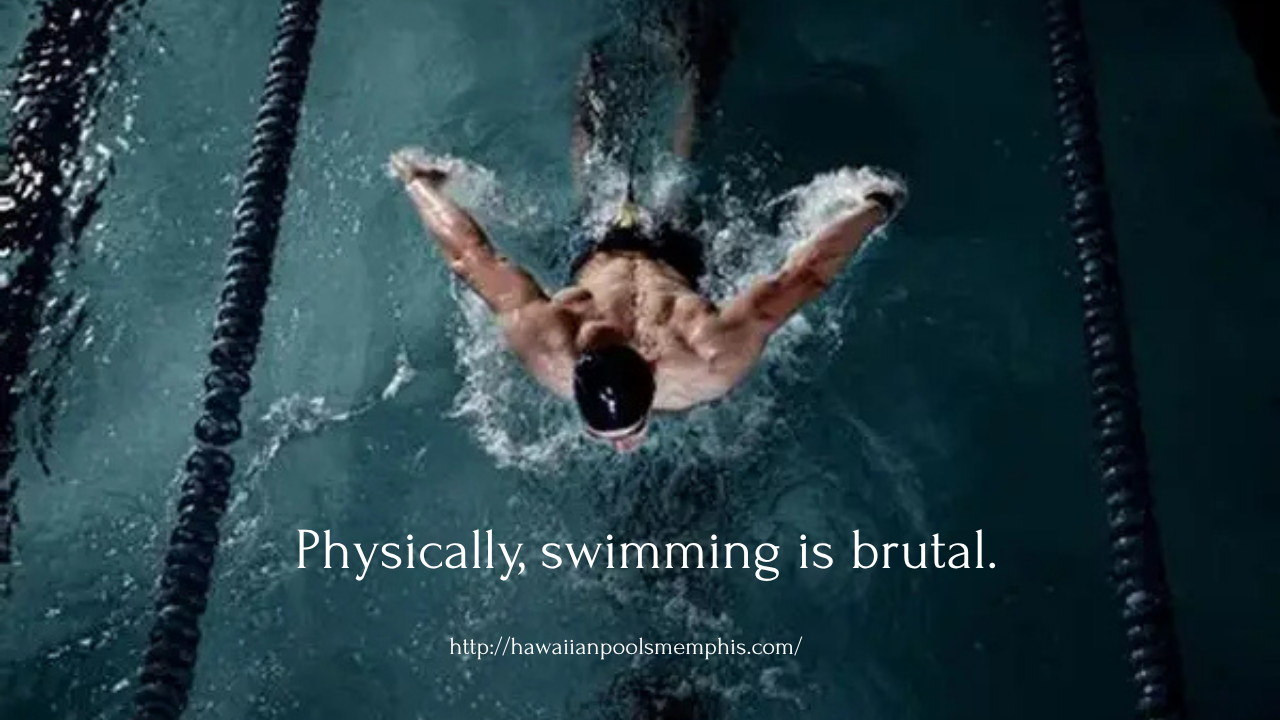
Physically, swimming is brutal. The sport requires full-body engagement, repetitive motion, and an intense level of cardiovascular conditioning. Most pro swimmers train six days a week, often twice a day, racking up thousands of meters each session. The toll on the body is significant — shoulder injuries, lower back pain, chronic fatigue, and overuse injuries are common. Swimmers often push through pain, accepting it as part of the process, sometimes risking long-term damage in the pursuit of short-term gains.

But while the physical demands are visible in aching muscles and taped joints, the psychological stress runs much deeper and is harder to detect. The pressure to perform, qualify, and win is relentless. Swimmers face the constant weight of expectations — from coaches, teammates, sponsors, fans, and most of all, themselves. In a sport where hundredths of a second can separate victory from defeat, the margin for error is terrifyingly small.

This pressure can lead to anxiety, depression, and a toxic relationship with performance. Many swimmers tie their identity to their results. A poor race isn’t just a disappointment — it feels like a personal failure. The pursuit of gold can become all-consuming, leaving little space for joy, balance, or self-care.

Even at the height of success, mental health challenges persist. Olympic champions have opened up in recent years about post-competition emptiness, burnout, and the emotional crash after years of intense focus. The very goal that once drove them becomes a source of pain when the medals are won and the spotlight fades.

Fortunately, awareness is growing. Conversations around athlete mental health are becoming more common, and support systems are starting to emerge. Sports psychologists, mental wellness training, and open dialogue are slowly finding their place in the world of swimming. But stigma still lingers, and too many athletes remain afraid to admit when they’re struggling.

Swimming at the highest level is a feat of extraordinary strength and discipline — but it should not come at the cost of long-term well-being. It’s time to look beyond the podium and recognize the whole athlete: not just for their speed or medals, but for their resilience, vulnerability, and humanity.

Because in a world that often says “gold or bust,” we must remind ourselves: no medal is worth losing yourself.

A Safe Haven: Providing Love and Support for Vulnerable Children

Every child deserves to grow up in a safe, loving environment where they feel valued, protected, and free to explore their potential. Yet for millions of vulnerable children around the world, this basic right is far from reality. Faced with abuse, neglect, homelessness, or the loss of family, these children are often left to navigate a world that seems uncertain and unkind.

This is where a safe haven becomes not just a shelter—but a lifeline. Providing love and support to vulnerable children isn’t only about offering a roof over their heads; it’s about restoring hope, dignity, and the belief that they matter.

Understanding Vulnerability in Childhood

Children are incredibly resilient, but they are also deeply affected by the environments in which they grow up. Exposure to trauma, instability, or abandonment can have lasting effects on their emotional and physical development. These early experiences can impact everything from school performance to the ability to form healthy relationships.

Vulnerability doesn’t always wear a visible face. Some children suffer quietly—dealing with hunger, emotional neglect, or violence behind closed doors. Identifying and reaching out to these children with compassion and care is the first step in changing their story.

What Makes a Safe Haven?

A true safe haven provides more than physical safety—it offers emotional security, consistent care, and a sense of belonging. It’s a place where children are not judged for their past but embraced for who they are. Whether it’s a foster home, group shelter, community center, or a school-based support program, a safe haven is built on the foundation of trust and love.

Staff and caregivers in these environments play a critical role. With patience, empathy, and understanding, they help children rebuild their sense of self-worth. They listen, nurture, and encourage—offering stability where there once was chaos.

The Power of Love and Connection

Love is a transformative force. When vulnerable children receive unconditional care, they begin to heal. A hug, a kind word, or someone showing up day after day creates a powerful sense of security. These connections teach children that they are not alone, that they are important, and that better days are possible.

Building this emotional safety takes time, especially for children who have learned not to trust. But with consistent love and support, even the most wounded hearts can mend.

Supporting Growth and Empowerment

Beyond safety and emotional care, safe havens also foster growth. They provide access to education, counseling, life skills, and opportunities for creative and social development. Children are encouraged to discover their interests, pursue their dreams, and set goals for the future.

This empowerment is key. It turns passive survival into active thriving. Vulnerable children begin to see themselves not as victims of their past, but as authors of their future.

Conclusion: Every Child Deserves a Haven

A safe haven can be the turning point in a child’s life. It is a place where love heals wounds, where support builds strength, and where hope is reignited. When we commit to providing these sanctuaries for vulnerable children, we don’t just change lives—we save them.

Every child deserves that chance. Every child deserves a safe haven.

From Podiums to Pain: The Highs and Lows of Swimming at the Top

At first glance, professional swimming is a sport of triumph. Gold medals glint under stadium lights, national anthems echo through packed arenas, and champions beam from the podium. But behind these moments of glory lies a reality few see: the silent struggle, the emotional toll, and the deep personal sacrifices required to swim at the highest level. For many elite swimmers, the journey from podiums to pain is one they navigate in silence.

The highs of competitive swimming are undeniable. Representing one’s country on the world stage, breaking personal or world records, and inspiring a new generation of athletes — these are powerful motivators that keep swimmers pushing through years of grueling training. For a fleeting moment, the podium offers validation and purpose. But these moments are short-lived compared to the long, repetitive days spent in the pool, the weight room, and in constant mental preparation.

Training at the elite level often means 5–6 hours a day of intense physical exertion, with little room for rest or recovery. Swimmers battle chronic fatigue, joint pain, shoulder injuries, and muscle breakdown — often pushing through without complaint. Injuries are not just a risk; they are an expectation. Swimmers are conditioned to fight through pain, which can sometimes lead to long-term physical damage that lasts well beyond their competitive careers.

Yet the physical demands pale in comparison to the emotional ones. With every win comes the pressure to repeat it, and with every loss, the crushing burden of disappointment — from coaches, fans, sponsors, and often, the athlete themselves. Many swimmers tie their identity directly to their performance. A slow race isn’t just a bad day; it feels like a personal failure.

The mental health challenges at the top are compounded by the culture of silence surrounding them. In a sport where toughness is celebrated, discussing anxiety, depression, or burnout is still taboo in many circles. Athletes are expected to “suck it up” and “keep grinding.” As a result, many suffer behind closed doors, appearing confident and composed in public while silently battling emotional exhaustion.

Some of the sport’s most successful names have bravely pulled back the curtain. Michael Phelps, the most decorated Olympian of all time, has spoken openly about his post-Olympic depression and suicidal thoughts. His story resonated with countless swimmers and athletes, shedding light on the emotional crash that often follows even the greatest highs.

These conversations have begun to shift the culture, slowly. Coaches are paying closer attention to athlete wellness, sports psychologists are becoming more common, and swimmers are being encouraged to speak up when they’re struggling. Still, much work remains.

The highs of swimming at the top are real — and worth celebrating. But so are the lows, which deserve empathy, attention, and support. Recognizing both is not just important for the health of individual athletes, but for the future of the sport itself.

Because behind every podium finish is a person — one who bleeds, aches, doubts, and dreams like anyone else. And their story doesn’t end when the cheering stops.

The Dark Lane: Burnout and Breakdown in Professional Swimming

In the world of professional swimming, success is often measured in hundredths of a second. From the outside, it’s a sport that epitomizes discipline, strength, and grace. Behind the lanes, however, lies a darker reality — one filled with emotional exhaustion, mental collapse, and the relentless grind that leads many swimmers to a breaking point.

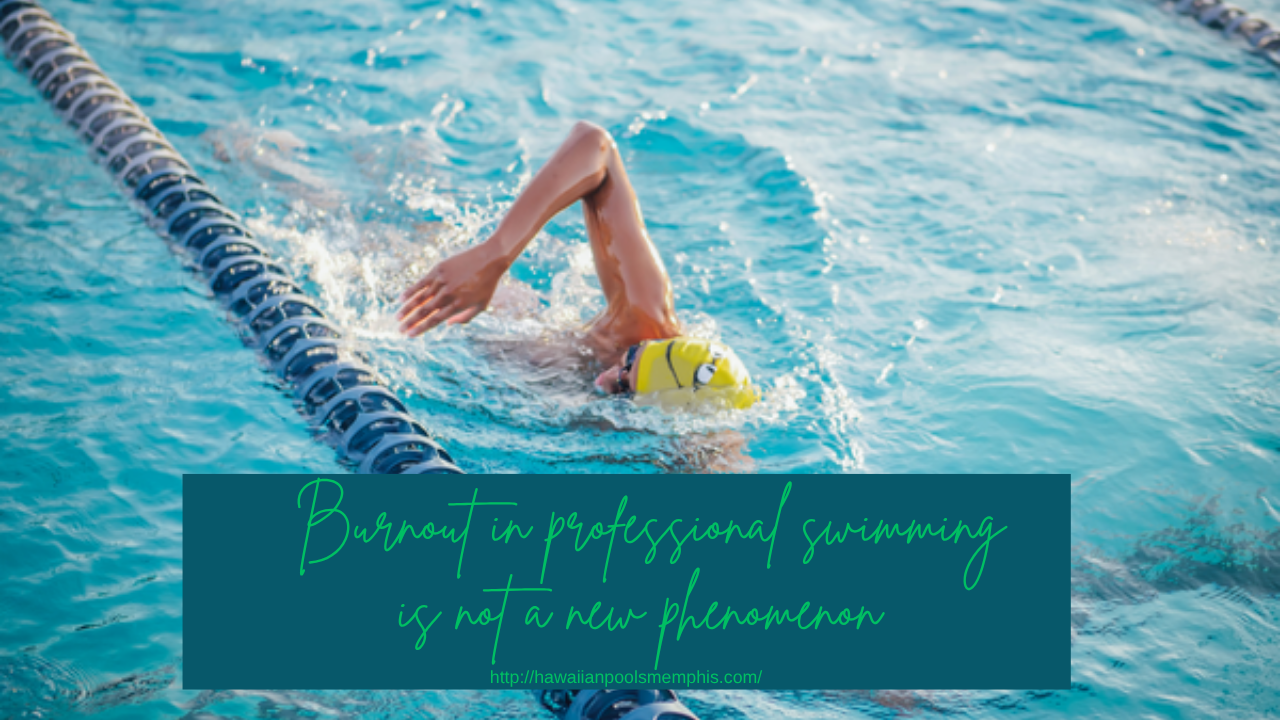
Burnout in professional swimming is not a new phenomenon, but it’s one that has only recently begun to receive the attention it deserves. Defined as a state of chronic physical and emotional fatigue, often accompanied by a loss of motivation and performance decline, burnout is disturbingly common among elite swimmers. The very qualities that make athletes successful — high drive, competitiveness, and perfectionism — can also set them up for mental and emotional collapse.

The pathway to burnout often begins early. Many elite swimmers start intense training before they reach adolescence. By the time they’re teenagers, they’re already waking before dawn, logging thousands of meters in the pool, traveling for competitions, and sacrificing the social experiences that define a normal youth. The cumulative toll of such a regimented life, combined with constant pressure to perform, lays the foundation for long-term stress and exhaustion.

The sport’s unique environment only amplifies this stress. Swimming is highly individual, and swimmers often spend hours in isolation, repeating the same physical motions while their minds wrestle with self-criticism and doubt. Add to that the pressure of qualifying times, sponsorships, media expectations, and the looming shadow of the Olympic Games — and the mental load becomes overwhelming.

Many swimmers report feelings of detachment, emotional numbness, and a lack of joy in a sport they once loved. Some continue pushing through these feelings, afraid to speak up or step away. In a culture that often equates toughness with silence, asking for help is still viewed by many as a sign of weakness.

High-profile athletes are beginning to change that narrative. Swimmers like Caeleb Dressel and Ian Thorpe have spoken openly about stepping away from the sport due to mental health challenges. Their honesty has shed light on the silent struggles of countless others and emphasized that burnout is not a personal failure, but a signal that the system needs change.

The good news is that conversations around athlete mental health are growing. Coaches are being trained to recognize signs of burnout, sports psychologists are becoming part of elite swim programs, and athletes are encouraged to balance performance goals with well-being. Still, progress is slow, and the pressure to produce results remains a powerful force.

Burnout doesn’t mean an athlete is weak — it means they’re human. The dark lane that swimmers face isn’t marked by laps or finishes, but by unseen struggles beneath the surface. Addressing burnout requires more than recovery days or motivational speeches. It demands a cultural shift where rest, mental health, and holistic support are seen as essential to an athlete’s success — not an afterthought.

To truly support swimmers, we must recognize that even the strongest bodies can break under invisible burdens — and no gold medal is worth a broken spirit.

Turning Tears into Triumphs: The Power of Compassion in Child Services

Behind every child in crisis is a story of pain, confusion, and vulnerability. Many face hardships far beyond their years—abuse, neglect, poverty, and abandonment. In such moments of despair, what makes the greatest difference is not just access to resources, but the presence of genuine compassion. Compassionate child services have the power to turn tears into triumphs by restoring hope, dignity, and strength in children who need it most.

Compassion is more than kindness—it is the deep, active concern for another’s suffering, paired with a willingness to help. In child services, compassion becomes the bridge between brokenness and healing, between fear and confidence, between despair and possibility.

Creating Safe and Nurturing Environments

Children in crisis often come from environments where safety was never guaranteed. When compassionate caregivers and social workers step in, they provide more than shelter—they create sanctuaries. These safe spaces offer children a place to breathe, to rest, and to begin healing from the emotional turmoil they’ve experienced.

Whether it’s a foster home, a group setting, or a community center, compassion ensures that children are not treated as problems to be fixed but as individuals to be nurtured. This sense of safety and belonging is the first step toward reclaiming their identity and self-worth.

Listening Without Judgment

Compassionate child services prioritize listening—really listening—to what a child is saying, both in words and in behavior. Many children have never had someone take the time to understand their pain or validate their feelings.

By listening with empathy and patience, caregivers help children feel seen and heard, which can be incredibly healing. This open-hearted connection builds trust, allowing the child to slowly open up and begin processing difficult emotions in a supportive environment.

Guiding with Patience and Positivity

Healing doesn’t happen overnight. Children who’ve been through trauma often act out, struggle with emotions, or resist help due to past experiences. Compassionate child services recognize this not as defiance, but as a cry for help.

Patience is key. By offering consistent support, encouragement, and positive reinforcement, compassionate caregivers help children gradually learn how to trust again, manage emotions, and believe in their own potential. Every small success is celebrated, reinforcing the child’s sense of progress and capability.

Empowering Children to Believe in Themselves

Perhaps the greatest triumph compassion offers is helping a child believe they are more than their pain. Through mentorship, education, therapy, and love, children begin to see themselves not as victims, but as survivors—capable, resilient, and full of promise.

Child services that are grounded in compassion help kids rediscover joy, build new dreams, and develop the strength to pursue them. In these moments, tears give way to smiles, fear is replaced with confidence, and heartbreak is transformed into hope.

Conclusion: Compassion as a Catalyst for Change

The power of compassion in child services cannot be overstated. It is the foundation of all meaningful support and the spark that turns moments of suffering into stories of strength.

When children are met with compassion, they don’t just recover—they rise. And in their rising, we are all lifted.