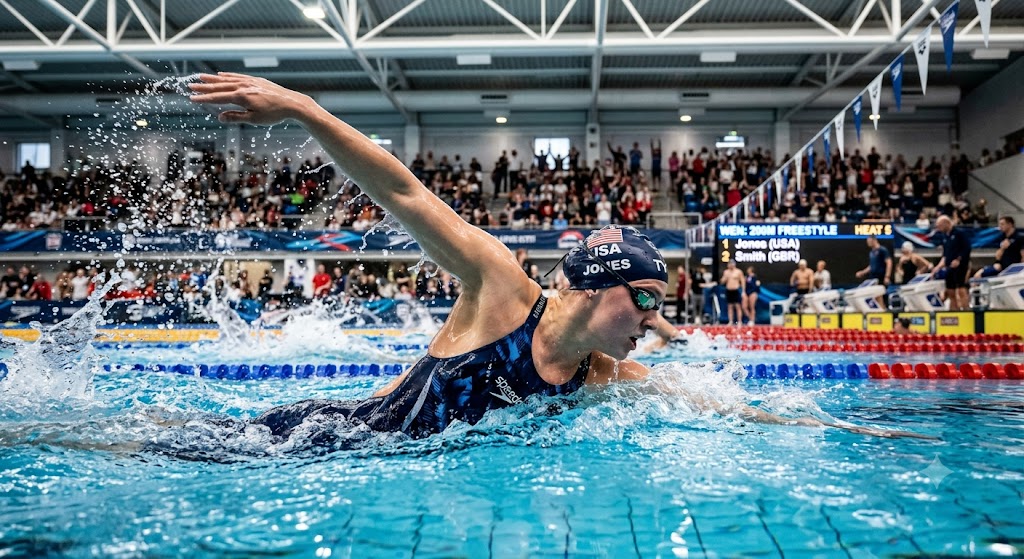
Life as a professional swimmer is built on commitment, discipline, and the willingness to improve one day at a time. While spectators often focus on race results and championship performances, the real story begins long before an athlete enters the water. Success comes from healthy daily habits, emotional resilience, and the ability to stay focused even when challenges arise. These qualities are not limited to competitive sports. They also serve as powerful examples for individuals pursuing addiction recovery and better mental health.
Recovery is a journey that requires consistency rather than perfection. Whether someone is participating in inpatient treatment, outpatient care, or a holistic and faith based recovery program, lasting healing is built through intentional daily choices. The same mindset that helps professional swimmers reach peak performance can inspire individuals to develop the strength, stability, and confidence needed for long term wellness.
Daily Habits Lay the Foundation for Success
Professional swimmers understand that excellence is created through routine. Every day includes carefully planned training sessions, healthy meals, proper recovery, and mental preparation. These habits may seem simple, but together they create extraordinary results.
The same principle applies to addiction recovery. Establishing healthy routines helps replace destructive patterns with positive behaviors that support emotional and physical well being.
Healthy Routines That Support Recovery
Many treatment programs encourage daily habits such as:
- Attending therapy and counseling sessions
- Participating in recovery support groups
- Practicing mindfulness or meditation
- Maintaining healthy sleep habits
- Exercising regularly
- Eating balanced meals
These consistent actions create structure, improve emotional stability, and strengthen confidence over time.
Mental Strength Is Built One Decision at a Time
Professional swimmers encounter obstacles throughout their careers. Difficult training sessions, disappointing performances, and physical fatigue all require mental resilience. Rather than giving up, successful athletes learn to adapt, stay focused, and continue moving forward.
Individuals recovering from addiction or managing mental health conditions often face similar emotional challenges. Building mental strength allows them to respond to stress without returning to unhealthy coping mechanisms.
Developing Emotional Resilience
Mental toughness grows through practice and support. Helpful strategies include:
- Setting realistic short term goals
- Celebrating small victories
- Practicing healthy self talk
- Learning from setbacks instead of fearing them
- Asking for help when needed
Each positive choice strengthens emotional resilience and builds confidence for future challenges.
Recovery Requires Patience and Consistency
Professional swimmers know that meaningful improvement takes time. Every lap contributes to future success, even when immediate progress is difficult to see.
Recovery follows the same pattern. Healing from addiction and improving mental health happen gradually through consistent participation in treatment and healthy daily living.
Focusing on Progress Instead of Perfection
Many individuals become discouraged when recovery feels slower than expected. However, lasting wellness is created by continuing to move forward, even during difficult seasons.
Progress may include:
- Managing stress in healthier ways
- Building stronger relationships
- Improving communication skills
- Developing healthier coping mechanisms
- Feeling more hopeful about the future
Each step represents meaningful growth.
Emotional Wellness Supports Every Part of Recovery
Professional swimmers understand that emotional well being directly affects physical performance. Managing stress, staying motivated, and maintaining confidence all contribute to long term success.
Mental health plays the same role in recovery. Addressing anxiety, depression, trauma, or other emotional concerns helps individuals build a stronger foundation for healing.
A Whole Person Approach to Treatment
Holistic recovery focuses on more than addiction alone. Effective treatment often includes support for emotional, physical, spiritual, and social well being.
Depending on individual needs, treatment may include:
- Individual therapy
- Group counseling
- Family therapy
- Faith based support
- Mindfulness practices
- Recreational and wellness activities
- Relapse prevention education
This personalized approach allows each individual to develop tools that support lifelong recovery.
Support Makes Lasting Recovery Possible
No professional swimmer succeeds alone. Coaches, teammates, trainers, and family members all contribute to an athlete’s development and success.
Recovery also becomes stronger when individuals are surrounded by compassionate professionals and supportive communities.
The Value of Individualized Care
Every person’s journey is unique. Individualized treatment recognizes personal experiences, challenges, and goals while creating a recovery plan designed specifically for each individual.
Supportive relationships provide:
- Encouragement during difficult moments
- Accountability for healthy choices
- Guidance through emotional challenges
- Hope during times of uncertainty
Knowing that help is available often gives individuals the confidence to continue their recovery journey.
Long Term Wellness Is Built Through Everyday Choices
Professional swimmers understand that championships are earned through thousands of ordinary training sessions. Likewise, recovery is built through hundreds of healthy decisions made every day.
Choosing to attend therapy, practice self care, ask for support, and remain committed to treatment creates lasting change over time.
Small Habits Lead to Big Results
Simple daily actions can have a lasting impact, including:
- Maintaining healthy routines
- Staying connected with supportive people
- Practicing gratitude
- Prioritizing emotional wellness
- Remaining committed to personal growth
These habits strengthen resilience while creating a healthier and more fulfilling life.
Conclusion
Life as a professional swimmer reminds us that lasting success is built through discipline, patience, resilience, and daily commitment. These same principles provide valuable guidance for anyone facing addiction or mental health challenges.
Recovery is not measured by perfection. It is measured by the willingness to keep showing up, continue learning, and accept support along the way. With compassionate care, individualized treatment, holistic therapies, and faith based support when desired, lasting healing becomes possible.
If you or someone you love is ready to begin the journey toward recovery, reaching out for professional help can be the most important step. Every healthy choice, no matter how small, brings you closer to greater mental strength, emotional balance, and lifelong wellness.